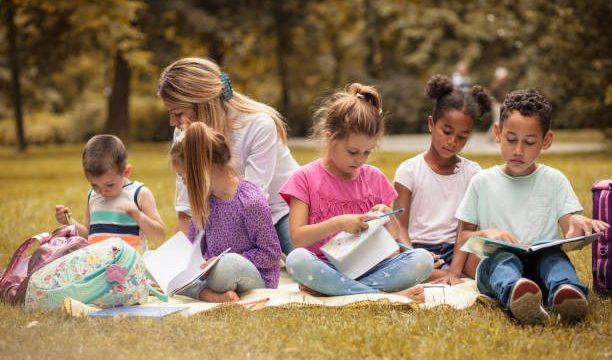
Individualized Education Plans: Planning for Growth, Success, and Confidence
In a world that thrives on diversity, education must reflect the uniqueness of each learner.
For students with special needs, this personalized approach is encapsulated in what we call an Individualized Education Plan, or IEP.
These tailored plans are not just formal documents; they are blueprints for growth, success, and confidence, carefully crafted to support each child’s unique journey through their educational landscape.
Understanding the essence of an Individualized Education Plan is the first step toward appreciating its significance. An IEP is designed to meet the specific needs of a student who has been identified as having a disability. It outlines tailored educational goals, the services and supports required, and the methods of assessment to track progress. This thoughtful framework not only addresses academic needs but also considers social, emotional, and behavioral aspects, fostering a holistic educational experience.
The creation of an IEP is a collaborative process, involving educators, parents, and often the students themselves. This collaboration is essential, as it ensures that the voices of those most affected are heard and respected. When families and schools work together, they can create a nurturing environment that encourages growth and builds confidence. It’s a partnership that values insight and experience, allowing everyone involved to contribute their perspectives.
As we explore the journey of developing an IEP, it becomes clear that it is more than just a set of goals; it is a pathway to success. Each plan is a reflection of the student’s strengths, needs, and aspirations. By focusing on what a student can achieve rather than what they struggle with, IEPs empower learners to recognize their potential. This positive approach fosters a sense of agency, encouraging students to take ownership of their education.
A gentle approach to setting goals is vital. These goals should be realistic yet ambitious, allowing for growth without overwhelming the student. This balance is key; it encourages learners to strive toward success while also providing them with the necessary support to reach their objectives. Small, incremental achievements can lead to significant progress over time, helping students build confidence in their abilities.
The role of teachers and educational professionals in the IEP process cannot be overstated. They are the guides on this journey, equipped with insights and strategies to help students thrive. Through tailored instruction and adaptive teaching methods, educators can meet students where they are, providing the right level of challenge and support. This adaptability is essential, as it ensures that every student receives the attention and resources they need to flourish.
One of the beautiful aspects of an IEP is its flexibility. As students grow and evolve, so too can their plans. Regular reviews and updates allow for adjustments based on progress and changing needs. This fluidity is a reminder that education is not a one-size-fits-all approach; it is a dynamic process that evolves alongside the learner. By embracing this adaptability, families and educators can celebrate milestones while also pivoting when necessary to ensure continued success.
Parent involvement is crucial in the IEP process. When parents are engaged, they bring invaluable insights about their child’s strengths and challenges. They are the advocates who can help ensure that the educational experience is not only effective but also enriching. Encouraging open lines of communication between home and school fosters a sense of community, reinforcing the idea that everyone is working toward a common goal: the success of the child.
As students with IEPs navigate their educational journeys, they often face challenges that can be daunting. However, with the right support and resources, these obstacles can be transformed into opportunities for growth. By instilling a sense of resilience, educators and families equip students with the tools they need to overcome difficulties. This resilience is a crucial life skill, one that will serve them well beyond their school years.
Building confidence within the framework of an IEP is a gradual process. Celebrating small victories, whether it’s mastering a new concept or improving social interactions, reinforces a student’s belief in their abilities. Positive reinforcement plays a significant role in this journey, helping students recognize their achievements and motivating them to continue striving for success.
The impact of an IEP extends beyond the classroom. As students gain skills and confidence, they are better equipped to engage with their peers and participate in their communities. This social aspect is vital, as it fosters a sense of belonging and encourages students to develop meaningful relationships. Through collaborative activities, group projects, and social skills training, students learn the importance of teamwork and communication, essential life skills that will benefit them in countless ways.
As we reflect on the journey of individualized education plans, it’s clear that they are about so much more than academics. They are about nurturing the whole child, recognizing their individuality, and empowering them to reach their fullest potential. The collaborative nature of IEPs creates a support system that encourages growth, cultivates success, and builds confidence.
In a world that often focuses on standardized measures of success, embracing the uniqueness of each learner is a beautiful reminder of the power of personalized education. With individualized education plans, we can celebrate the diverse paths students take, knowing that each step forward is a testament to their strength and resilience. As we continue to support and uplift every learner, we pave the way for a future where all students can thrive, not just academically, but as confident, capable individuals ready to embrace the world.