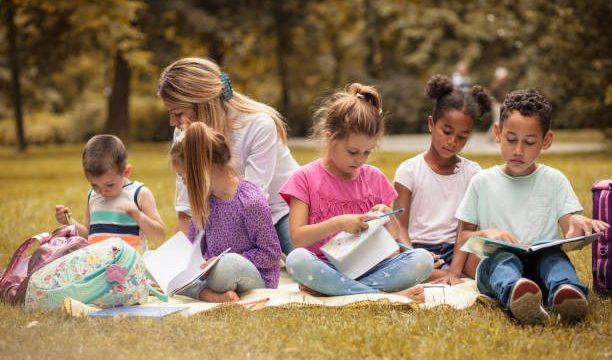
Inspiring Achievement in Special Needs Education
The journey of education is as unique as each child who embarks on it, particularly in the realm of special needs education.
Here, we find not just a path of learning, but a landscape rich with potential, resilience, and inspiration.
Every child, regardless of their challenges, has the capacity for growth and achievement, and it is the nurturing environment created by educators, families, and communities that can illuminate this path.
Understanding the individual needs of each student is a fundamental aspect of special needs education. It begins with the recognition that every child possesses distinct strengths and abilities. This understanding fosters a sense of belonging and encourages a positive self-image, which is vital for any learner. When educators take the time to discover what ignites a student’s passion, they can tailor their teaching methods to fit the unique learning style of each child. This personalized approach not only enhances academic achievement but also promotes emotional and social development.
Creating a supportive learning environment is paramount. In classrooms designed for special needs education, every detail matters. From the arrangement of furniture to the selection of teaching materials, a thoughtful approach can make a significant difference. For instance, sensory-friendly spaces can provide comfort for students who may feel overwhelmed by traditional classroom settings. Additionally, incorporating visual aids and hands-on activities can cater to various learning preferences, making the experience more engaging and effective.
Collaboration is another key element in inspiring achievement. When educators work closely with families, therapists, and specialists, they create a network of support that benefits the child. This collaborative effort ensures that everyone involved has a shared understanding of the child’s goals and needs. Regular communication between home and school allows for adjustments in strategies, reinforcing the idea that education is a partnership. This connection not only aids in academic success but also strengthens the emotional ties that help children feel secure and valued.
A small shift toward balance can yield remarkable results. Encouraging a focus on strengths rather than weaknesses can transform a child’s educational experience. Celebrating small milestones, whether it’s mastering a new skill or improving social interactions, reinforces positive behavior and motivates students to continue striving for success. These moments of recognition can be powerful, helping to build confidence and resilience that will serve them throughout their lives.
The role of technology in special needs education cannot be overlooked. With the rapid advancement of educational tools, there are now more resources available than ever to assist learners. Adaptive technologies, such as speech-to-text software or interactive learning apps, can provide new avenues for students to express themselves and engage with their studies. These tools can level the playing field, allowing children to participate in ways that align with their abilities, fostering independence and self-advocacy.
Moreover, fostering a sense of community within the classroom and beyond can be profoundly impactful. When children with special needs are included in group activities, they learn valuable social skills and the importance of teamwork. Peer interactions can lead to friendships that transcend differences, enriching the educational experience for all students. Schools that promote inclusivity not only benefit individual learners but also cultivate a culture of empathy and understanding among their student body.
Inspiring achievement in special needs education also requires a commitment to ongoing professional development for educators. Teachers who are well-informed about the latest research and best practices are better equipped to meet the diverse needs of their students. Workshops, seminars, and peer collaboration can provide invaluable insights and techniques that enhance teaching effectiveness. When educators feel supported and empowered, their enthusiasm can be contagious, inspiring both students and fellow staff members.
As we reflect on the importance of inspiring achievement in special needs education, it’s essential to acknowledge the role of advocacy. Families, educators, and community members must work together to ensure that every child has access to the resources and opportunities they deserve. This includes pushing for policies that support equitable funding for special education programs and promoting awareness of the unique challenges faced by these learners. Advocacy can take many forms, from participating in school board meetings to sharing personal stories that highlight the importance of inclusion and support.
Ultimately, the heart of special needs education lies in the belief that every child can achieve greatness in their own way. By embracing a holistic approach that prioritizes individual strengths, fosters collaboration, and nurtures a sense of community, we can create an environment where all learners thrive. It is this shared commitment to understanding, supporting, and celebrating each child’s journey that will inspire achievement in special needs education.
In a world that can sometimes feel divided, the classroom is a beautiful reminder of the power of connection and compassion. As we champion the cause of special needs education, let us remember that each small step towards understanding and support is a giant leap for a child’s future. Together, we can illuminate the path of learning and achievement for every child, ensuring that they not only reach their goals but also find joy and fulfillment along the way.