Teaching Techniques That Work for Special Needs Students
In the realm of education, the journey of teaching special needs students can be both rewarding and challenging.
Every child is unique, and understanding their individual needs is key to fostering an environment where they can thrive.
While the path may have its hurdles, it’s often illuminated by innovative teaching techniques that cater to diverse learning styles.
By embracing a few thoughtful strategies, educators and caregivers can create a nurturing atmosphere that promotes growth and learning.
Creating a warm and welcoming space is fundamental. A classroom that feels safe and inviting encourages students to express themselves without fear of judgment. This can be achieved through simple gestures, like personalized name tags or a dedicated corner filled with comforting items, such as soft cushions or sensory toys. When students feel secure, they are more likely to engage and participate actively in their learning process.
A small shift toward balance can make a world of difference. Incorporating movement into lessons helps students channel their energy in positive ways. Simple activities, like stretching or brief physical exercises, can help students refocus and rejuvenate their minds. This approach not only aids concentration but also promotes physical well-being. Engaging students in hands-on activities or interactive lessons can also break the monotony, making learning a delightful experience.
Understanding the power of visual aids is another technique that can transform teaching methods. Many special needs students respond well to visual stimuli, which can enhance their comprehension and retention of information. Using colorful charts, diagrams, and illustrations can help convey concepts more effectively. Additionally, incorporating technology, such as tablets or interactive whiteboards, can provide dynamic learning experiences that resonate with students. These tools can foster engagement and make learning feel less daunting.
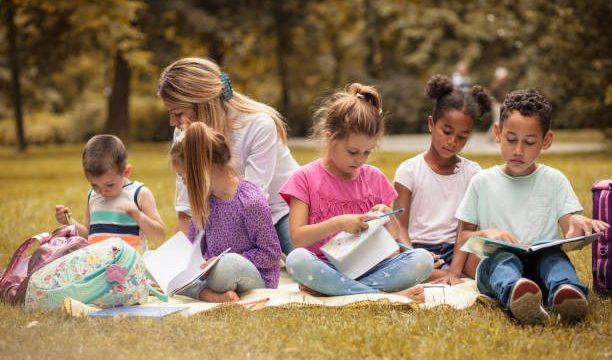
Encouraging collaboration among peers is also crucial. Group activities not only promote social skills but also allow students to learn from one another’s strengths. Pairing students with different abilities can create an enriching environment where they can support each other. This cooperative learning approach cultivates a sense of community and belonging, which is essential for emotional development. As students work together, they build friendships and learn to appreciate diverse perspectives.
Incorporating routines and structure into the learning environment can significantly benefit special needs students. Predictable schedules help students feel more secure and understand what to expect throughout the day. By creating a consistent framework, students can find comfort in knowing what comes next, which can reduce anxiety and increase focus. Visual schedules, where students can see their daily tasks laid out, serve as effective reminders and promote independence.
Another gentle approach is the use of positive reinforcement. Celebrating small achievements can boost a student’s confidence and motivation. Simple rewards, whether verbal praise or a sticker, can reinforce desirable behaviors and encourage students to strive for their goals. This technique not only fosters a positive atmosphere but also empowers students to take ownership of their learning journey.
Listening and adapting to each student’s individual needs is paramount. Taking the time to understand their interests, challenges, and strengths allows educators to tailor lessons that resonate deeply with them. This personalized approach can lead to more meaningful learning experiences. Engaging in open dialogues with students, where they can express their thoughts and feelings, can further enhance this connection. This practice nurtures trust and helps educators become more attuned to their students’ emotional and educational needs.
Flexibility in teaching methods is essential. What works for one student may not work for another, and being open to adjusting strategies can lead to greater success in the classroom. Incorporating a variety of teaching styles, such as auditory, visual, and kinesthetic approaches, can cater to different learning preferences. This adaptability allows educators to meet students where they are, fostering an inclusive environment that celebrates diversity.
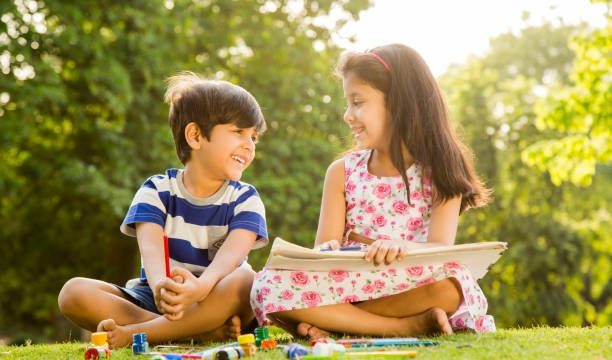
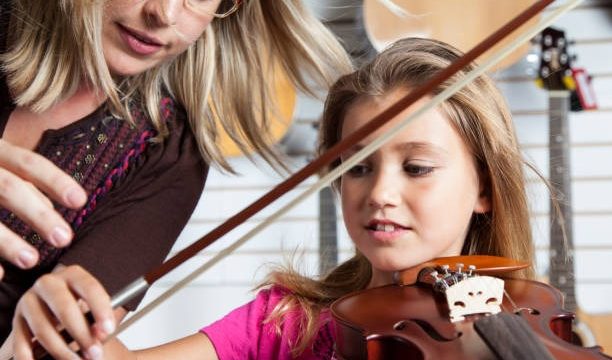
Fostering a love for learning can be achieved through creativity. Integrating arts and crafts, music, or storytelling into lessons can make learning enjoyable and memorable. These creative outlets not only engage students but also provide opportunities for self-expression. When students can connect with the material on a personal level, they are more likely to retain information and develop a passion for learning.
Supporting the emotional well-being of special needs students is equally important. Incorporating mindfulness practices, such as deep breathing exercises or moments of quiet reflection, can help students manage stress and anxiety. These techniques promote self-regulation, allowing students to navigate their emotions and focus better in the classroom. By prioritizing mental health, educators can create a balanced and harmonious learning environment.
Lastly, building strong relationships with families is vital. Open communication between educators and parents can create a supportive network that extends beyond the classroom. Regular check-ins, parent-teacher conferences, and collaborative goal-setting can empower families to be active participants in their child’s education. When families feel involved and informed, it fosters a sense of community that benefits everyone.
In conclusion, teaching special needs students is a journey filled with opportunities for growth, understanding, and creativity. By embracing a variety of techniques and approaches, educators can create an inclusive environment that nurtures each student’s unique abilities. From fostering a warm and welcoming space to incorporating movement, visual aids, and collaborative learning, every small effort contributes to a richer educational experience. Ultimately, it is the compassion and dedication of educators that can make a lasting impact on the lives of special needs students, guiding them toward a brighter, more fulfilling future.