Creating a nurturing and supportive environment in special needs classrooms is essential for fostering positive relationships among students, educators, and families.
Every child has unique needs, and understanding these can pave the way for connections that empower and uplift.
Building these relationships requires patience, empathy, and a willingness to adapt.
Let’s explore some gentle strategies to create a warm, inclusive atmosphere where every student can thrive.
A foundation of understanding
At the heart of any positive relationship is understanding. In special needs classrooms, this means taking the time to learn about each child’s individual strengths, challenges, and preferences. By engaging in conversations with students and observing their interactions, educators can gain valuable insights into what makes each child unique. This understanding not only helps in tailoring educational approaches but also fosters a sense of belonging for students. When children feel seen and understood, they are more likely to open up and engage with their peers and teachers.
Creating a safe space
A safe and welcoming environment is crucial for nurturing positive relationships. This goes beyond physical safety; it encompasses emotional security as well. Establishing clear, consistent routines can help children feel secure and reduce anxiety. When students know what to expect, they are more likely to express themselves freely. Encouraging open communication and actively listening to students’ thoughts and feelings can also contribute to a trusting atmosphere. When children feel safe to share their emotions, it builds a strong foundation for connection.
Celebrating small victories
In special needs classrooms, every achievement, no matter how small, is worth celebrating. Recognizing and praising students for their efforts can boost their self-esteem and encourage them to take on new challenges. Acknowledging these victories fosters a positive atmosphere where children feel valued and appreciated. It can also inspire camaraderie among peers as they cheer each other on. When students celebrate together, they create bonds that extend beyond the classroom.
Encouraging social interactions
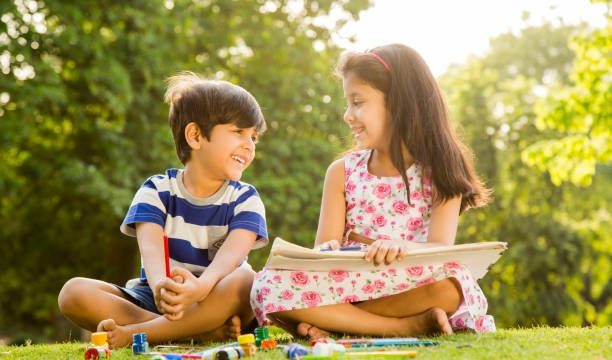
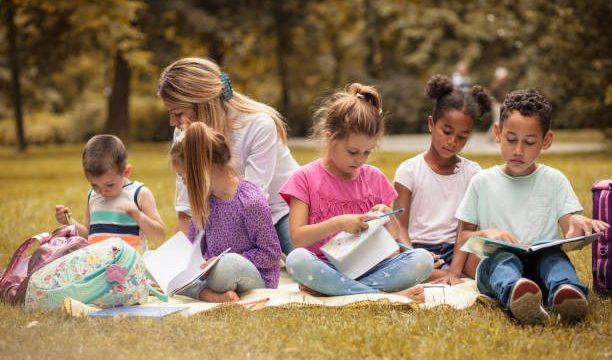
Facilitating social interactions is key to building relationships in a special needs classroom. Group activities and collaborative projects can provide opportunities for students to connect with one another in meaningful ways. Whether it’s a group art project, a team game, or a shared reading time, these moments allow children to learn from each other and develop essential social skills. Educators can gently guide these interactions, helping students navigate challenges and celebrate successes together.
A small shift toward balance
Finding the right balance between structure and flexibility can significantly impact the classroom dynamic. While routines are essential, allowing for some spontaneity can create a more relaxed environment. This could mean incorporating a free play period or allowing students to choose activities that interest them. Such flexibility can lead to unexpected moments of connection and creativity, enabling students to express themselves in ways that resonate with them.
Building connections with families
The relationship between educators and families is just as important as the connections formed within the classroom. Open lines of communication can help parents feel involved and informed about their child’s progress. Regular updates, whether through newsletters, phone calls, or meetings, can create a partnership that supports the child’s development. When families feel welcomed and valued, they are more likely to engage in their child’s education, further enriching the classroom experience.
Fostering empathy and kindness
Teaching empathy and kindness is a powerful way to build positive relationships among students. Incorporating social-emotional learning into the curriculum can help children understand their own feelings and the feelings of others. Role-playing scenarios or discussing stories that highlight compassion can encourage students to practice empathy in real-life situations. When kindness is modeled and reinforced, it creates a ripple effect throughout the classroom, fostering a culture of support and understanding.
Encouraging peer mentorship
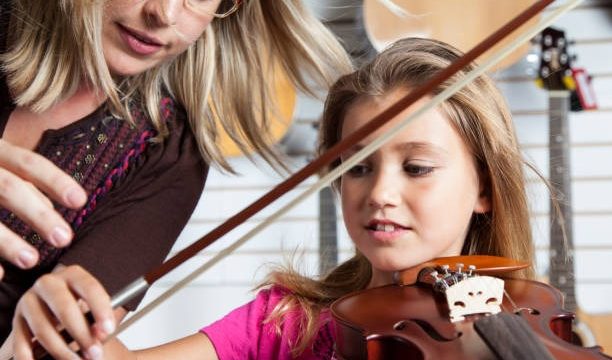
Pairing students in mentorship roles can enhance relationships and build confidence. Older or more experienced students can guide their peers, offering support and encouragement. This not only helps the mentee but also allows the mentor to develop leadership skills and a sense of responsibility. Creating opportunities for peer mentorship can foster connections that enrich the classroom experience and promote a sense of community.
Creating a culture of acceptance
In special needs classrooms, promoting acceptance and understanding among students is vital. This can be achieved through discussions about diversity, inclusion, and the value of different perspectives. Encouraging students to share their own stories and experiences can create a space where everyone feels comfortable and valued. When acceptance is woven into the fabric of the classroom, it cultivates a supportive environment where relationships can flourish.
Nurturing self-advocacy
Empowering students to advocate for themselves is an important aspect of building positive relationships. Teaching children how to express their needs and preferences can enhance their confidence and communication skills. When students learn to speak up for themselves, they are more likely to engage meaningfully with their peers and educators. This self-advocacy not only strengthens their relationships but also encourages independence, which is crucial for personal growth.
Embracing the journey
Building positive relationships in special needs classrooms is a journey that requires ongoing effort and commitment. It’s about creating an environment where every child feels valued, understood, and connected. Educators, families, and students can work together to foster a sense of community that celebrates individuality while embracing the collective spirit of learning. As these relationships grow, they lay the groundwork for a brighter future, not just in the classroom but in life beyond school.
In conclusion, nurturing positive relationships in special needs classrooms is a beautiful and rewarding endeavor. By prioritizing understanding, safety, celebration, and empathy, educators can create a space where every child can thrive. As we embrace this journey together, we cultivate a rich tapestry of connections that will resonate throughout the lives of our students.