In today’s ever-evolving educational landscape, the spotlight is increasingly shining on adaptive learning, particularly for students with special needs.
This approach tailors the learning experience to meet the unique requirements of each student, creating a nurturing environment that fosters growth and understanding.
The essence of adaptive learning is not just about technology but about embracing the individual journey of each learner, making education a more personal and effective experience.
The heart of adaptive learning lies in its flexibility. Traditional educational models often follow a one-size-fits-all approach, which can leave many students feeling lost or disengaged. Adaptive learning, on the other hand, recognizes that every learner is distinct. It adjusts the pace, style, and content of lessons based on ongoing assessments of a student’s strengths and challenges. This ensures that learning is not just accessible but also enjoyable, allowing students to thrive in their own unique ways.
Understanding the needs of special needs students is crucial in this process. Each child may face different challenges, whether they relate to cognitive processing, emotional regulation, or sensory sensitivities. By employing adaptive learning strategies, educators can create a tailored experience that aligns with each student’s individual capabilities and interests. This personalized approach not only enhances academic performance but also boosts self-esteem and motivation, encouraging students to embrace their learning journeys.
A small shift toward balance can have a profound impact on the educational experience. For example, integrating technology into the classroom can significantly enhance adaptive learning. Educational software can provide immediate feedback, allowing students to understand their progress and areas needing improvement. This real-time response helps foster a sense of achievement, encouraging students to engage more deeply with the material. Moreover, technology can offer a variety of learning modalities, catering to visual, auditory, and kinesthetic learners alike.
In addition to technology, the role of educators cannot be overstated. Teachers trained in adaptive learning strategies are instrumental in creating an inclusive classroom atmosphere. Their understanding of each student’s unique needs enables them to modify instructional methods, ensuring that every child feels valued and understood. Building strong relationships with students fosters trust, which is essential for effective learning. When students feel safe, they are more likely to take risks and explore new concepts, leading to deeper understanding and retention of information.
Creating a supportive environment extends beyond the classroom. Families play a pivotal role in the adaptive learning process. Open communication between educators and parents helps ensure consistency and reinforces learning at home. When families are engaged, they can provide insights into their child’s preferences and challenges, allowing for a more comprehensive understanding of their needs. This collaboration can help bridge the gap between home and school, creating a seamless learning experience.
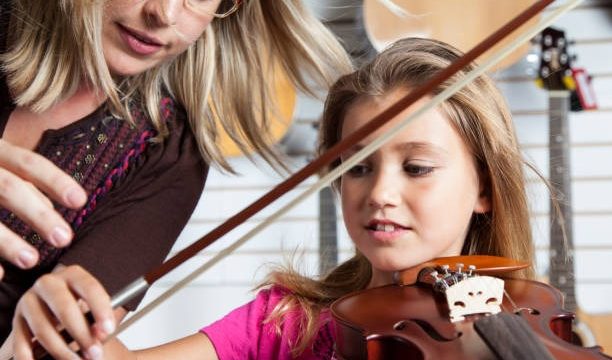
Community involvement can also enrich the adaptive learning experience. Local organizations and specialists can offer additional resources and support, providing students with opportunities to engage in various activities. Whether it’s art, music, or sports, these experiences can enhance social skills and emotional development, complementing the academic focus of traditional schooling. By fostering connections within the community, students can discover new interests and talents, further enhancing their self-esteem and personal growth.
As we explore the potential of adaptive learning, it’s important to remember that progress may not always be linear. Each student’s journey is unique, and there will be ups and downs along the way. Embracing a growth mindset can help both educators and students navigate these challenges. Recognizing that setbacks are a natural part of the learning process encourages resilience and perseverance. This perspective not only helps students overcome obstacles but also instills a lifelong love of learning.
In this journey, celebrating small victories is essential. A child mastering a new skill, engaging in a group discussion, or simply expressing their thoughts can be monumental achievements. These moments deserve recognition, as they reflect the hard work and dedication of both the student and their support system. By fostering an environment where progress is celebrated, educators and families can inspire students to continue striving for their goals.
Looking ahead, the future of adaptive learning for special needs students appears bright. As technology continues to advance, the possibilities for personalized education are expanding. Innovative tools and resources are being developed to further enhance the adaptive learning experience, making it more inclusive and effective. With ongoing research and collaboration among educators, families, and communities, the potential for positive change is immense.
Ultimately, exploring adaptive learning for special needs students is about embracing individuality. It’s about understanding that each child’s path is unique and deserving of respect and support. By focusing on their strengths and providing tailored resources, we can create a more inclusive educational landscape. The journey toward adaptive learning is not just about academic success; it’s about nurturing confident, curious, and capable individuals who are ready to take on the world.
In this ever-changing educational environment, let us continue to advocate for adaptive learning practices that honor the diversity of our students. Together, we can create a future where every learner feels empowered, valued, and equipped to reach their full potential. As we celebrate the beauty of individuality, we pave the way for a brighter, more inclusive tomorrow.