Building resilience in special needs learners is a journey that involves understanding, patience, and a nurturing approach.
Resilience is the capacity to recover quickly from difficulties, and it is a skill that can be cultivated in all individuals, especially in those who face unique challenges.
This article explores gentle strategies that caregivers, educators, and family members can embrace to help special needs learners develop a strong foundation of resilience.
Creating a supportive environment is the first step in fostering resilience. It begins with establishing a safe space where learners feel valued and understood. This environment should be free from judgment, allowing children to express their emotions and thoughts without fear. When they know they are accepted for who they are, they can explore their capabilities and learn from their experiences. A supportive environment encourages learners to take risks, knowing that it is okay to make mistakes along the way.
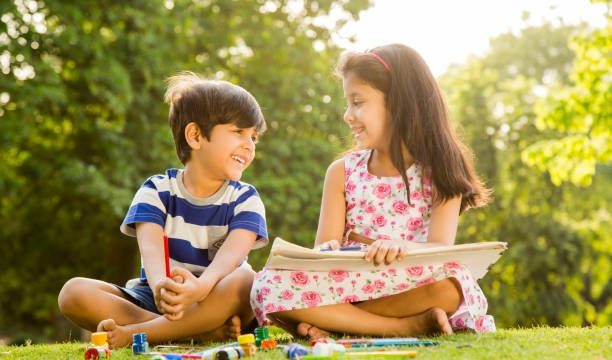
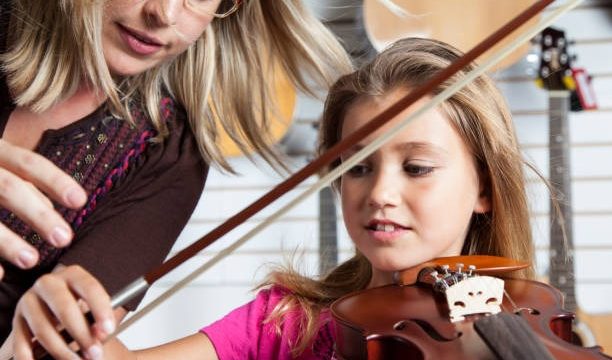
Encouraging self-expression is another vital aspect of building resilience. Special needs learners often have unique ways of communicating, and it is essential to honor these methods. Whether through art, music, or verbal communication, providing opportunities for self-expression helps learners articulate their feelings and thoughts. This process not only enhances their communication skills but also fosters a sense of identity and autonomy. When children can express themselves, they are better equipped to navigate challenges and setbacks.
A small shift toward balance can make a significant impact on resilience. It’s essential to find a rhythm that allows learners to engage in both structured activities and free play. While routines provide a sense of stability and predictability, unstructured playtime is equally important for creativity and problem-solving. Allowing children to explore their interests and passions outside of a rigid framework encourages them to adapt and overcome obstacles. This balance nurtures their ability to cope with change and uncertainty, essential components of resilience.
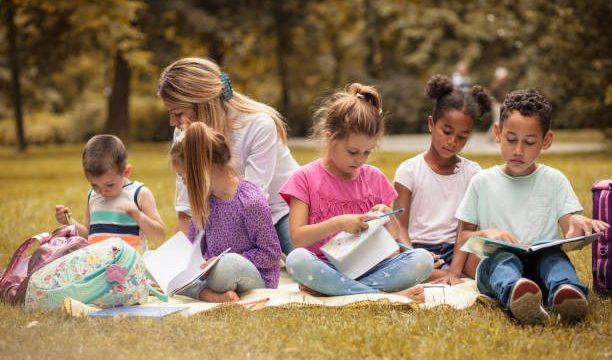
Building strong relationships is a cornerstone of resilience. Special needs learners thrive when they have supportive connections with peers, family, and educators. Encouraging social interactions in a safe and inclusive setting allows them to develop essential social skills. These relationships provide a network of support that learners can rely on during challenging times. When they feel connected to others, they are more likely to face difficulties with confidence, knowing they have people who care about them.
Celebrating small victories is another gentle yet powerful strategy in fostering resilience. Special needs learners often face hurdles that can seem overwhelming, but recognizing and celebrating their achievements—no matter how small—can boost their confidence. This recognition can come from simple affirmations or more structured celebrations, like a “victory wall” where they can showcase their accomplishments. Celebrating these moments reinforces the idea that progress is possible and encourages them to keep trying even when things get tough.
Encouraging a growth mindset is essential in helping special needs learners develop resilience. A growth mindset is the belief that abilities and intelligence can be developed through dedication and hard work. By fostering this mindset, caregivers and educators can help learners view challenges as opportunities for growth rather than insurmountable obstacles. Sharing stories of perseverance, whether from their own lives or from inspirational figures, can illustrate this concept. When children understand that effort leads to growth, they are more likely to embrace challenges with a positive outlook.
Mindfulness practices can also play a significant role in building resilience. Simple techniques such as deep breathing, guided imagery, or even short moments of quiet reflection can help learners manage stress and anxiety. These practices encourage self-awareness and emotional regulation, allowing children to pause and respond thoughtfully to challenges instead of reacting impulsively. By incorporating mindfulness into daily routines, caregivers can help special needs learners develop tools to cope with difficult emotions and situations.
Encouraging problem-solving skills is vital for fostering resilience. Special needs learners can benefit from opportunities to tackle challenges in a supportive environment. This could involve engaging them in age-appropriate problem-solving tasks or allowing them to participate in decision-making processes at home or in the classroom. When they are given the chance to think critically and find solutions, they build confidence in their abilities. This sense of agency is crucial for resilience, as it empowers learners to take charge of their experiences and outcomes.
Creating a culture of empathy and understanding is essential in building resilience not only in special needs learners but also within their communities. Educating peers and family members about the unique challenges faced by these learners can foster compassion and support. When children understand the importance of kindness and acceptance, it creates a more inclusive environment where everyone can thrive. This culture of empathy reinforces the idea that everyone has their struggles, and by supporting one another, we can all face challenges together.
Ultimately, building resilience in special needs learners is a gradual process that requires love, understanding, and commitment. By creating a nurturing environment, encouraging self-expression, and fostering relationships, caregivers and educators can help these learners develop the skills they need to navigate life’s challenges. Each small step taken toward resilience is a testament to their strength and potential.
In this journey, it’s essential to remember that resilience is not about being invincible; it’s about learning to rise after a fall. It’s about understanding that setbacks are part of life, and with the right support, special needs learners can emerge stronger and more capable. By embracing these gentle strategies, we can help them build a solid foundation of resilience that will serve them throughout their lives.