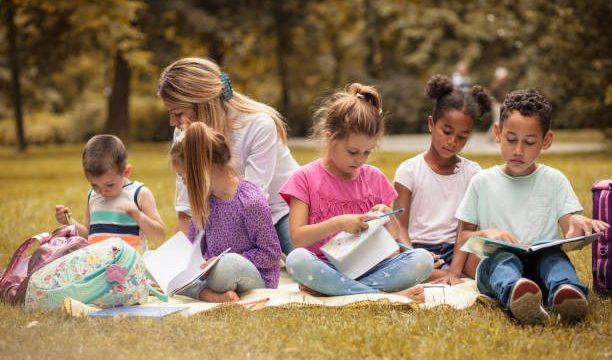
Supporting children with special needs in school is a journey that requires patience, understanding, and a sprinkle of creativity.
As parents, educators, and caregivers, we often find ourselves navigating a landscape filled with unique challenges and beautiful moments of connection.
Each child brings their own strengths and needs to the classroom, and recognizing these can foster an environment where they truly thrive.
Here are some gentle tips to help support these remarkable children as they embark on their educational adventures.
A gentle approach to understanding
The first step in supporting children with special needs is to cultivate a deep understanding of their individual requirements. Each child is unique, and their needs may vary widely. Taking the time to learn about their specific challenges, strengths, and interests can create a solid foundation for support. Engage in open conversations with the child, their parents, and other caregivers. This dialogue not only builds trust but also helps you to see the world through their eyes.
Creating a nurturing environment
Schools should be a sanctuary for learning, and creating a nurturing environment is essential for all children, especially those with special needs. Consider the physical layout of the classroom. A space that minimizes distractions can greatly benefit a child who may struggle with sensory overload. Soft lighting, comfortable seating, and designated quiet areas can provide the calm necessary for focused learning. Incorporating sensory tools, such as fidget items or noise-canceling headphones, can also help children feel more at ease.
Fostering connections with peers
Building friendships can be a vital aspect of a child’s school experience. Encouraging social interactions among students can help foster connections that are both meaningful and supportive. Consider organizing group activities that promote collaboration and teamwork. Simple projects or games that require children to work together can break down barriers and build bonds. It’s important to emphasize kindness and inclusivity, allowing all children to feel valued and accepted within the classroom community.
Tailoring learning experiences
Every child learns differently, and tailoring educational experiences can significantly enhance engagement and comprehension. Flexible teaching strategies, such as hands-on activities, visual aids, and interactive lessons, can cater to various learning styles. Allowing children to express their understanding in different ways—be it through art, verbal presentations, or technology—can empower them to showcase their knowledge and creativity.
Encouraging self-advocacy
Empowering children with special needs to advocate for themselves is a gift that can last a lifetime. Teaching them to express their thoughts, feelings, and needs fosters independence and confidence. Start by encouraging small steps, such as asking for help when needed or sharing their preferences in class activities. Providing opportunities for self-advocacy not only helps children articulate their needs but also prepares them for future challenges beyond the classroom.
Building a supportive network
Collaboration among educators, parents, and specialists is crucial in creating a robust support system for children with special needs. Regular communication can ensure that everyone is on the same page regarding the child’s progress and any necessary adjustments. Establishing a team approach can facilitate the sharing of resources, strategies, and insights, ultimately benefiting the child’s educational journey.
Celebrating progress and milestones
Every small achievement deserves recognition, no matter how minor it may seem. Celebrate the progress that children make, whether it’s mastering a new skill, improving their social interactions, or simply feeling more comfortable in the classroom. Acknowledging these moments can boost a child’s confidence and motivation, reinforcing the idea that learning is a journey filled with ups and downs.
Encouraging mindfulness and emotional well-being
In today’s fast-paced world, mindfulness can serve as a valuable tool for children with special needs. Teaching simple mindfulness techniques—such as deep breathing exercises or guided imagery—can help children manage anxiety and stress. Incorporating moments of calm into the school day can create a more balanced atmosphere and provide children with the tools they need to navigate their emotions.
Engaging with the community
Connecting with the broader community can enrich the educational experience for children with special needs. Local organizations often offer resources, workshops, and support groups that can provide additional assistance. Engaging in community events can also foster a sense of belonging and inclusion for both children and their families. Sharing experiences with others who understand the unique challenges can create a supportive network that extends beyond the school walls.
Promoting a growth mindset
Encouraging a growth mindset can be transformative for children with special needs. Help them understand that challenges are opportunities for growth and that effort is just as important as outcome. By framing setbacks as learning experiences, children can develop resilience and a positive attitude toward learning. This mindset shift can empower them to embrace challenges and approach their education with curiosity.
Being patient and flexible
Above all, patience and flexibility are essential in supporting children with special needs. Each day may bring new challenges, and it’s important to approach these with an open heart and mind. Being willing to adapt strategies and expectations can create a more harmonious learning environment. Remember that progress may be gradual, and celebrating small victories can make the journey all the more rewarding.
In this beautiful tapestry of education, every child deserves to shine. By embracing understanding, fostering connections, and celebrating individuality, we can create a nurturing environment that supports children with special needs in their academic endeavors. With compassion and dedication, we can help these remarkable children thrive, both in school and beyond.