Creating an engaging learning environment is essential for fostering student participation and enthusiasm.
One effective way to achieve this is through group activities.
These collaborative experiences not only enhance learning but also build social skills, boost confidence, and cultivate a sense of community among students.
The magic of group activities lies in their ability to transform the classroom into a vibrant space where students feel comfortable expressing themselves. When students come together to tackle challenges collectively, they often find joy in the process. The laughter, the brainstorming, and even the occasional friendly debate all contribute to a rich educational experience.
A gentle introduction to collaboration
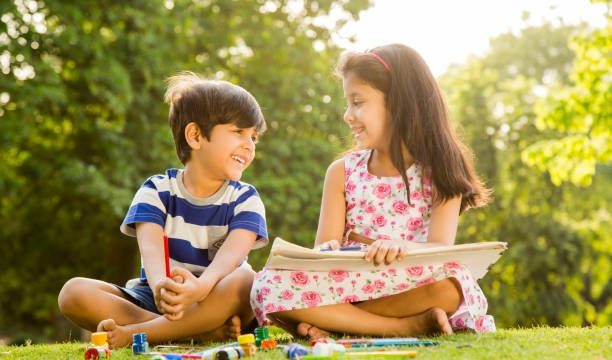
To begin integrating group activities into your teaching, it’s important to create a welcoming atmosphere where students feel safe to share their ideas. Start by introducing small, low-pressure tasks that encourage interaction. For instance, consider having students discuss a topic in pairs before sharing their thoughts with the larger group. This approach allows quieter students to find their voice in a more intimate setting, gradually building their confidence.
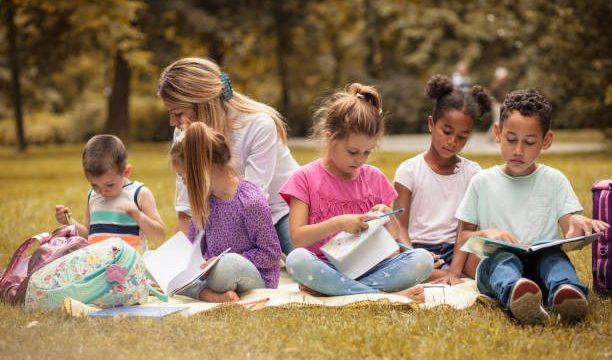
As students become more comfortable with these interactions, you can introduce slightly larger groups. This can foster a sense of teamwork, where each student has a defined role, whether it be a leader, note-taker, or presenter. The key is to ensure that every role is valued and encourages participation from all members.
Fostering creativity and critical thinking
Group activities are not just about collaboration; they also serve as excellent platforms for nurturing creativity and critical thinking skills. When students work together, they are exposed to diverse perspectives that can spark innovative ideas. Encourage brainstorming sessions where students can freely share their thoughts without the fear of judgment. This environment can lead to surprising solutions and insights that may not have emerged in solitary tasks.
One effective approach is to present a problem or challenge relevant to the curriculum and allow groups to devise their own solutions. This could be a science project, a historical debate, or a creative writing exercise. As they navigate through the process, students will learn to evaluate each other’s ideas, build upon them, and ultimately arrive at a consensus. This not only enhances their understanding of the subject matter but also teaches them valuable life skills.
Building connections and community
Another profound benefit of group activities is the opportunity to build connections among students. In a world that often emphasizes individual achievement, fostering a sense of community in the classroom can be incredibly rewarding. When students work collaboratively, they develop friendships and support systems that can enhance their overall educational experience.
Consider incorporating icebreaker activities at the beginning of the school year or semester. These can be simple games or discussions that allow students to get to know each other better. As they share their interests and backgrounds, the classroom becomes a more inclusive space where everyone feels they belong.
Creating a culture of respect and empathy
As students engage in group activities, it’s crucial to cultivate a culture of respect and empathy. Teach them the importance of listening actively and valuing each other’s contributions. This can be reinforced through discussions about teamwork and what it means to work well with others.
When students see that their opinions matter, they are more likely to participate fully in group discussions. Encouraging them to express appreciation for their peers’ ideas can also create a positive feedback loop. This kind of supportive environment can help students feel more connected, not just to one another, but to the learning process itself.
Encouraging reflection and growth
After completing group activities, it’s beneficial to provide time for reflection. Encourage students to discuss what they learned about the subject matter and about themselves as collaborators. This could be in the form of a group discussion or individual journaling.
Reflection allows students to internalize their experiences and recognize the importance of collaboration in their own learning journeys. They may discover strengths they didn’t know they had or identify areas for growth in teamwork. This process of self-discovery can be empowering, encouraging them to approach future group tasks with a more open and confident mindset.
Adapting to different learning styles
Every student has unique learning preferences, and group activities can be tailored to accommodate these differences. Some students may thrive in creative roles, while others excel in analytical tasks. By recognizing and embracing these diverse strengths within groups, you can create a balanced dynamic that enhances learning for everyone involved.
Consider mixing students with varying skills and backgrounds in each group. This not only promotes inclusivity but also allows students to learn from one another. Those who may struggle with certain concepts can gain insight from their peers, while others can reinforce their understanding by teaching.
Celebrating achievements together
Finally, it’s important to celebrate the successes of group activities, both big and small. Acknowledging the effort and achievements of each group can boost morale and encourage continued participation. This could be as simple as verbal praise, showcasing their work in the classroom, or organizing a small awards ceremony to honor their collective efforts.
When students feel recognized for their hard work, it reinforces the idea that collaboration is not just about the end result, but about the journey they took together. This sense of accomplishment can motivate them to engage even more deeply in future activities.
In conclusion, group activities offer a wonderful opportunity to engage students in meaningful ways. By fostering collaboration, creativity, and community, you can create a dynamic learning environment that not only enhances academic performance but also nurtures personal growth. As students come together to explore, create, and celebrate, they build connections that will last well beyond the classroom. Embracing these experiences can lead to a richer, more fulfilling educational journey for everyone involved.