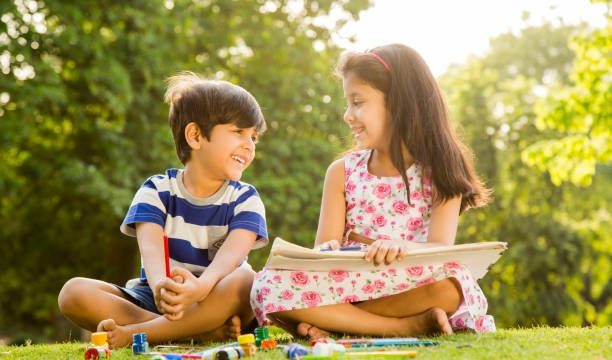
Art has an incredible ability to bring people together, fostering connections and encouraging collaboration.
In educational settings, collaborative art projects can be a wonderful way to enhance creativity while also teaching valuable life skills such as teamwork, communication, and empathy.
Whether you are an educator looking for fresh ideas or a parent seeking engaging activities to do with your children, this article explores enriching lesson ideas that incorporate collaborative art projects.
Creating a shared vision is the heart of any collaborative art endeavor. One way to initiate this process is through a community mural project. This activity can be tailored to suit various age groups and skill levels. Begin by gathering your group and discussing themes that resonate with everyone, such as community, nature, or personal experiences. Encourage participants to share their thoughts and ideas, fostering a sense of ownership over the project. Once a theme is chosen, have each participant contribute sketches or concepts that align with the shared vision. This way, everyone feels included and valued from the very beginning.
When it comes to executing the mural, it’s essential to assign roles based on individual strengths and interests. Some may prefer painting, while others might excel at planning or organizing materials. By allowing each participant to contribute in a way that feels authentic to them, you create a harmonious dynamic that enhances the overall experience. The process itself becomes as meaningful as the final product, teaching participants the beauty of collaboration and compromise.
Another delightful approach to collaborative art is through creating a community quilt. This project not only results in a stunning piece of art but also serves as a tangible representation of the diverse voices within a group. Start by providing fabric squares for each participant, encouraging them to express their individuality through design. They can paint, sew, or even use fabric markers to create their unique designs.
As the quilt begins to take shape, discussions around the stories behind each square can unfold. This storytelling aspect is invaluable, as it allows participants to share their backgrounds, cultures, and experiences, fostering deeper connections among the group. Once all squares are completed, you can work together to stitch them into a cohesive quilt, symbolizing unity in diversity. This project can serve as a beautiful reminder of the power of collaboration and the stories that bind us together.
Exploring the concept of collaborative art can also extend to creating large-scale installations. Think beyond traditional canvases and consider using recycled materials or natural elements to craft a community installation. For instance, you could gather items like plastic bottles, cardboard, or wood scraps and invite participants to brainstorm ways to repurpose them into a striking installation that conveys a message about sustainability or environmental awareness.
As the group collaborates on the design and construction, they will naturally engage in conversations about the importance of caring for our planet. This not only enhances their creative skills but also instills a sense of responsibility toward the environment. The final installation can be displayed in a public space, allowing the broader community to appreciate the collective effort and message behind the artwork.
Another engaging lesson idea is to create a collaborative storytelling book that incorporates illustrations. This project can be a wonderful way to meld creativity with literacy, making it suitable for various age groups. Begin by brainstorming a theme or story idea as a group. Each participant can then contribute a page that includes both text and illustrations, allowing for a wide range of artistic expression.
Once the pages are complete, bind them together to create a unique book that reflects the collective imagination of the group. You can even organize a small reading event where participants share their contributions, celebrating the diversity of ideas and styles. This project not only enhances artistic skills but also nurtures a love for storytelling and reading.
The beauty of collaborative art projects lies in their flexibility and adaptability. They can be tailored to fit different educational goals, age groups, and even available resources. For example, if you’re working with younger children, consider simpler projects like a group collage where everyone contributes cut-out images and drawings. This can be a fun way to teach about composition and color while fostering teamwork.
For older students, consider exploring more complex themes such as social issues or cultural heritage through art. This could involve creating a series of pieces that represent different perspectives on a chosen topic, encouraging participants to engage in thoughtful discussions and reflections throughout the process. The art becomes a medium for dialogue, allowing for deeper understanding and empathy.
As you embark on these collaborative art projects, keep in mind the importance of creating a safe and supportive environment. Encourage open communication, respect for each other’s ideas, and an understanding that mistakes are part of the creative process. This nurturing atmosphere will not only enhance the artistic experience but also strengthen the bonds among participants.
In conclusion, the world of collaborative art projects is rich with opportunities for connection, creativity, and growth. Whether through murals, quilts, installations, or storytelling books, these activities offer a platform for individuals to come together, share their voices, and create something beautiful. By embracing the spirit of collaboration, we not only enhance our artistic skills but also cultivate a sense of community and belonging, reminding us of the power of working together. So gather your friends, family, or students, and let the magic of collaborative art unfold.