Incorporating music into lessons can create a vibrant and engaging learning environment for students.
Music has a unique ability to stimulate the brain, evoke emotions, and foster connections among individuals.
By integrating music into various subjects, educators can enhance the learning experience, making it not only educational but also enjoyable.
The magic of music in education lies in its versatility. It can be woven into nearly every subject, from math to history, and can cater to different learning styles. For instance, rhythmic patterns can help students grasp mathematical concepts, while songs can make historical events more memorable. This blending of disciplines creates a rich tapestry of learning, where students can explore ideas in a way that resonates with them personally.
One of the simplest ways to integrate music into lessons is through the use of songs related to the subject matter. For younger students, catchy tunes can help reinforce vocabulary or basic concepts. Imagine teaching a lesson on the water cycle with a fun song that describes evaporation, condensation, and precipitation. Students would likely remember the concepts better, as the rhythm and melody create a memorable association.
For older students, music can inspire critical thinking and analysis. When exploring literature or poetry, consider playing songs that reflect the themes or emotions of the text being studied. This approach allows students to draw connections between the words on the page and the feelings conveyed through music. A discussion about a poignant poem can be enriched by listening to a song that evokes similar sentiments, encouraging deeper understanding and personal reflection.
Creating a musical atmosphere can also enhance focus and creativity in the classroom. Playing soft instrumental music during independent work time can help students concentrate and feel more relaxed. This gentle background noise can drown out distractions, allowing minds to wander freely into the realms of creativity. Many educators have observed that when students are surrounded by music, they tend to be more productive and engaged in their tasks.
Incorporating movement into lessons through music can further elevate the learning experience. Dance is a natural way to express oneself, and when combined with educational content, it can create lasting memories. For example, a lesson about geography could include a dance that represents various cultures around the world. Students can learn about different countries while physically embodying the essence of those places. This kinesthetic approach not only caters to diverse learning styles but also promotes teamwork and collaboration.
As students grow older, the integration of music can also serve as a platform for self-expression and critical dialogue. In high school, students can explore social issues through music, analyzing lyrics and discussing their implications. This can lead to powerful conversations about identity, culture, and societal challenges. By engaging with music that resonates with their own experiences, students can find their voices and feel empowered to share their perspectives.
A small shift toward balance can be achieved by incorporating music into mindfulness practices within the classroom. Calming music or nature sounds can help students transition from one activity to another, creating a serene environment conducive to learning. Incorporating short moments of mindful listening, where students focus on the sounds around them, can also enhance their awareness and presence. This practice not only nurtures emotional well-being but can also improve focus and retention.
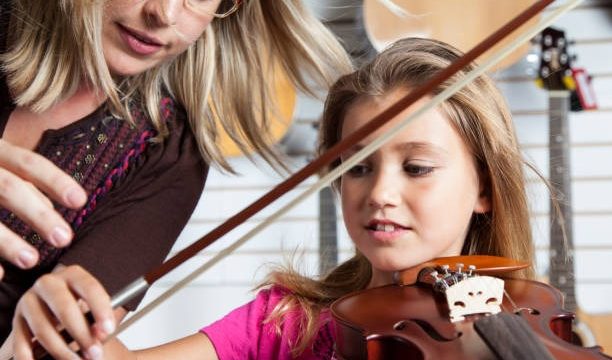
For educators looking to incorporate music into their lessons, collaboration with music teachers can be incredibly beneficial. Joint projects can allow for a more holistic approach to education, where different subjects complement one another. For example, a science class could collaborate with a music class to create songs about the scientific method. This not only reinforces the science curriculum but also showcases the creativity that can emerge when disciplines intersect.
Another enriching idea is to utilize technology to facilitate music integration. There are numerous apps and online platforms that allow students to create their own music or remix existing songs. This can be particularly engaging for students who may not consider themselves musically inclined. By giving them the tools to express their ideas through sound, educators can foster a sense of ownership over their learning journey.
Beyond the classroom, music can also be a bridge to the community. Organizing school events such as talent shows or music festivals can encourage students to showcase their talents while building a sense of belonging. These events can also foster connections with families and community members, creating a supportive network that values the importance of arts in education.
Incorporating music into lessons is more than just an innovative teaching strategy; it is an invitation to explore, connect, and grow. The emotional resonance of music can break down barriers and foster a sense of belonging among students. By engaging with music, students not only learn academic content but also develop social and emotional skills that are essential for their future.
As educators continue to seek ways to enhance the learning experience, music integration stands out as a powerful tool. It nurtures creativity, fosters critical thinking, and brings joy to the educational journey. With a gentle embrace of music in the classroom, educators can create an atmosphere where students feel inspired to explore, collaborate, and thrive. In this harmonious blend of education and artistry, the possibilities for learning are endless.