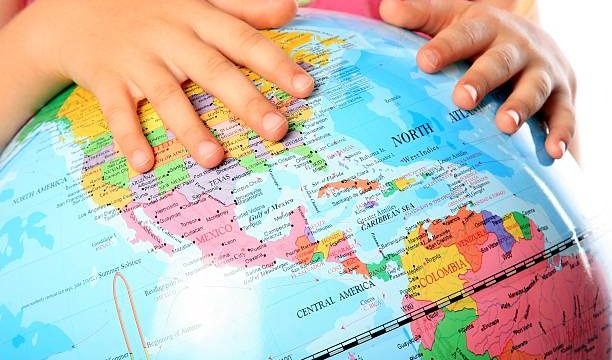
In our increasingly interconnected world, fostering global awareness in education has never been more important.
As educators, parents, and community members, we have a unique opportunity to nurture the next generation’s understanding of global issues, cultures, and perspectives.
Incorporating global awareness into the curriculum isn’t just about teaching facts; it’s about inspiring empathy, curiosity, and a sense of responsibility toward the broader world.
A gentle shift in perspective can make all the difference. To begin this journey, consider integrating global themes into existing subjects rather than treating them as separate topics. For instance, in a history lesson, explore not only local events but also their international implications. Discuss how local decisions can resonate on a global scale and how historical figures from different parts of the world have influenced one another. This approach not only enriches students’ understanding but also illustrates the interconnectedness of history.
Another effective way to cultivate global awareness is through literature. Books are windows to different cultures and experiences. Choose texts that reflect diverse voices and perspectives, allowing students to explore the rich tapestry of human experience. This can be particularly impactful in language arts classes. By reading stories from around the world, students can develop empathy and a deeper appreciation for the complexities of life beyond their immediate surroundings. Encourage discussions that prompt students to draw connections between the characters’ experiences and their own, fostering a sense of shared humanity.
Engaging with current events can also be a powerful tool for promoting global awareness. Create a safe space for students to discuss news stories from around the globe. This practice not only helps students stay informed but also encourages critical thinking. Prompt them to consider the broader implications of events and how they relate to their own lives. By analyzing news from multiple perspectives, students can learn to appreciate the nuances of global issues, fostering a more well-rounded worldview.
Field trips and virtual exchanges can further enhance students’ global awareness. Organizing trips to cultural institutions or hosting guest speakers from diverse backgrounds can provide students with firsthand experiences that textbooks cannot offer. If travel isn’t feasible, consider utilizing technology to connect with classrooms around the world. Virtual exchanges allow students to engage with peers from different countries, sharing experiences and perspectives that enrich their understanding of global citizenship. These interactions can lead to meaningful collaborations and friendships, breaking down barriers and building bridges across cultures.
A small shift toward balance in the curriculum can also be achieved through service learning. Encouraging students to engage in community service projects that address global issues—such as poverty, environmental sustainability, or social justice—helps them see the impact of their actions. By participating in initiatives that extend beyond their local communities, students can gain a deeper understanding of global challenges and their role in addressing them. This hands-on approach not only cultivates empathy but also empowers students to become active participants in creating positive change.
Integrating technology into the curriculum can also facilitate global awareness. Encourage students to use digital tools to research international topics, collaborate with peers worldwide, or even create projects that highlight global issues. For example, students can use social media platforms to connect with organizations working on various causes, or they can participate in online forums discussing global challenges. By leveraging technology, students can expand their horizons and engage with the world in ways that were previously unimaginable.
As educators, it’s essential to model the values of global awareness ourselves. Share your experiences and insights about different cultures, and discuss global issues you are passionate about. When students see their teachers engaged and informed, they are more likely to mirror that enthusiasm. Foster an environment where curiosity is encouraged, and questions are welcomed. This openness cultivates a classroom atmosphere rich in exploration and understanding.
Another important aspect of incorporating global awareness is encouraging students to reflect on their identities and cultural backgrounds. Discussions about diversity and inclusion can help students appreciate their own heritage while learning about others. This practice not only fosters respect for different cultures but also strengthens students’ sense of belonging. When students feel valued for who they are, they are more likely to engage with the world around them.
Incorporating global awareness into the curriculum is not a one-time effort; it is a continuous journey. Regularly assess the effectiveness of your approach and be open to feedback from students. Their insights can be invaluable in shaping a curriculum that resonates with their experiences and interests. As the world evolves, so too should our methods of teaching and engaging with global themes.
Ultimately, fostering global awareness in education is about nurturing compassionate, informed, and engaged citizens. It’s about creating a curriculum that reflects the complexities of our world and encourages students to think critically about their place within it. By weaving global themes into everyday lessons and fostering an environment of curiosity and respect, we can inspire the next generation to embrace their role as global citizens.
As we embark on this journey, let us remember that every small step counts. Each lesson, each conversation, and each connection made can contribute to a more compassionate and understanding world. Through our efforts, we can help shape a future where empathy and awareness transcend borders, creating a brighter, more harmonious global community for all.