In the world of education, the traditional classroom setting often feels like a distant memory.
More and more educators are discovering the transformative power of hands-on learning experiences.
These lessons not only engage students but also deepen their understanding by allowing them to interact with the material in meaningful ways.
As we dive into the essence of hands-on learning, let’s explore some thoughtful lesson plans that can bring this approach to life in your classroom.
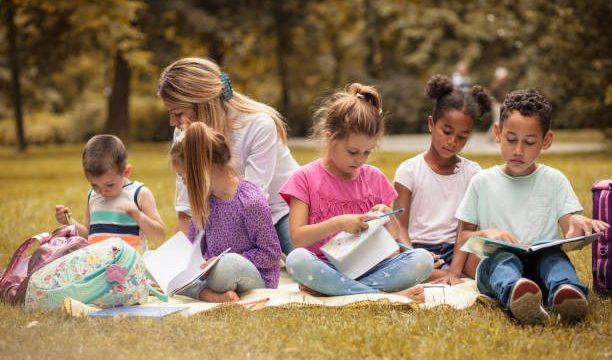
Creating a nurturing environment for exploration is key. When students are encouraged to engage with their surroundings, their natural curiosity flourishes. A hands-on lesson plan can start with something as simple as a nature walk. As students stroll through a park or schoolyard, they can collect leaves, rocks, or flowers. Back in the classroom, these treasures can spark discussions on biodiversity, ecosystems, or even art projects. This connection to nature not only reinforces scientific concepts but also fosters a sense of appreciation for the world around them.
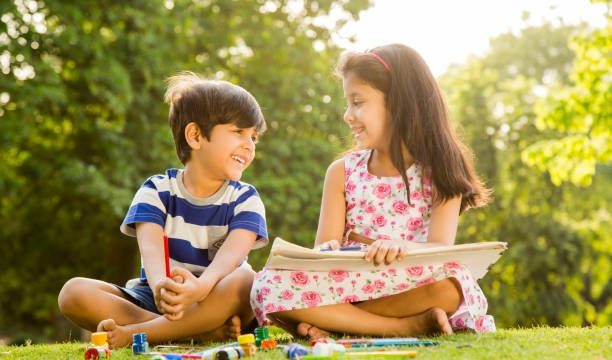
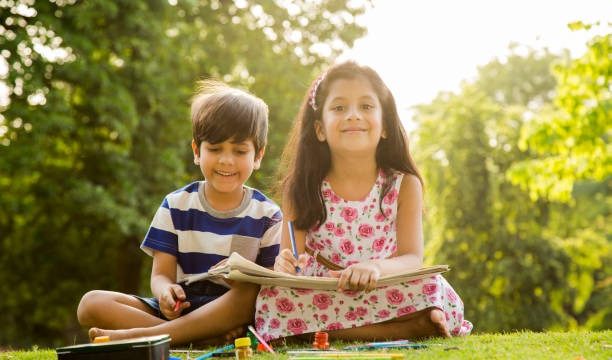
Incorporating art into hands-on learning can also be incredibly enriching. Imagine a lesson where students create a mural representing a historical event or cultural celebration. They can research the event, understand its significance, and then express their understanding through art. This process allows for creativity while solidifying knowledge of history, culture, and even teamwork. It’s a beautiful blend of academic and personal expression, and the final product can serve as a lasting reminder of their collaborative effort.
Another avenue for hands-on learning is through cooking. Food is a universal language, and it can be an effective medium for teaching various subjects. A cooking lesson can encompass math through measuring ingredients, science through understanding chemical reactions, and even history through exploring the origins of different cuisines. When students actively participate in preparing a dish, they are not only learning essential life skills but are also engaging with concepts in a tangible way. Plus, the joy of sharing a meal together can create a warm community atmosphere in the classroom.
Gardening is another wonderful hands-on project that can cultivate both knowledge and patience. By starting a small garden, students can learn about plant life cycles, nutrition, and environmental stewardship. As they plant seeds, water them, and watch them grow, they gain firsthand experience that textbooks alone cannot provide. This ongoing project can serve as a reminder of the importance of responsibility and care, as well as the beauty of growth—both in plants and in their own personal development.
Science experiments are often the cornerstone of hands-on learning. Imagine a lesson where students create simple circuits or engage in a safe chemical reaction. These experiments not only ignite curiosity but also allow students to witness scientific principles in action. The thrill of watching a light bulb flicker to life or observing a colorful reaction can spark a lifelong interest in science. It’s about making the abstract tangible and encouraging a mindset of inquiry and exploration.
A gentle shift towards balance can also be found in integrating mindfulness activities into lesson plans. Activities like yoga or meditation can be incorporated as a calming break during the day. This not only helps students manage stress but also enhances their focus and readiness to learn. By nurturing their mental well-being, you create a more conducive learning environment where hands-on activities can thrive.
Technology can also play a role in hands-on learning. Virtual reality (VR) and augmented reality (AR) experiences can transport students to historical sites, distant planets, or even the microscopic world. While these technologies provide a different kind of hands-on experience, they still engage students actively, encouraging them to explore and interact with content in innovative ways. The key is to balance traditional methods with modern tools to create a holistic learning experience.
Field trips are another fantastic way to provide hands-on learning opportunities. Visiting a museum, zoo, or local business can give students a real-world context for what they learn in the classroom. These excursions can inspire curiosity and wonder, making lessons more relatable and memorable. After returning to the classroom, students can reflect on their experiences through discussions, creative writing, or art projects, further reinforcing their learning.
As you design lesson plans for hands-on learning experiences, it’s important to consider the diverse needs and interests of your students. Differentiation can be woven into your plans by offering various ways for students to engage with material. Some may thrive in group projects, while others may prefer independent exploration. Allowing for choice and autonomy can empower students, making their learning journey more personal and impactful.
The beauty of hands-on learning lies in its ability to create connections—connections between students and their peers, between concepts and real-world applications, and between themselves and their environment. When students are active participants in their education, they are more likely to retain information and develop a love for learning that transcends the classroom walls.
In conclusion, lesson plans that emphasize hands-on learning experiences can transform the educational landscape. By incorporating elements like nature walks, art projects, cooking, gardening, science experiments, and field trips, educators can create a vibrant and engaging atmosphere for students. Emphasizing exploration, creativity, and collaboration not only enriches the learning experience but also nurtures the holistic development of each student. As we look to the future of education, let’s embrace the beauty of hands-on learning and the countless opportunities it offers for growth and discovery.