In the ever-evolving landscape of education, creating engaging lesson plans that foster fun and learning can sometimes feel like a balancing act.
As educators, parents, or caregivers, we all want to cultivate an environment where curiosity thrives.
The good news is that with a sprinkle of creativity and a dash of enthusiasm, lesson plans can transform into delightful learning experiences.
Let’s explore some ideas that can inspire joy and discovery in the learning journey.
A gentle embrace of curiosity
One of the most effective ways to encourage learning is to tap into children’s natural curiosity. This can begin with simple questions that pique their interest. For instance, if you’re teaching about plants, you might start with a question like, “What do you think happens to a seed when it’s planted?” This can lead to a hands-on activity where children plant seeds in small pots, observe their growth, and document changes over time. This not only teaches them about biology but also instills a sense of responsibility as they care for their plants.
Incorporating storytelling into lesson plans can also be a wonderful way to engage young minds. Crafting a story around a subject can draw children in, making them feel like part of an adventure. For example, if you’re exploring the concept of weather, you might tell a tale about a little cloud that travels the world, meeting different weather patterns along the way. This narrative approach can help children grasp complex ideas while also sparking their imagination.
Creating a playful atmosphere
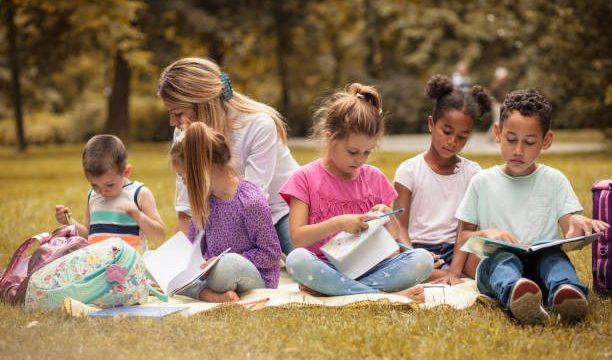
Learning doesn’t have to be confined to the classroom. Taking lessons outdoors can invigorate the learning process. Nature is a fantastic classroom, offering endless opportunities for exploration. A nature scavenger hunt can be a delightful way to teach children about their environment. Provide them with a list of items to find, such as specific leaves, rocks, or flowers, and encourage them to observe their surroundings. This not only promotes physical activity but also deepens their appreciation for nature.
Art is another powerful medium for learning. Incorporating creative projects into lesson plans allows children to express themselves while also grasping new concepts. For instance, if you’re discussing the concept of symmetry, you might have them create symmetrical art using paint or colored paper. This hands-on activity helps solidify their understanding while allowing their creativity to flourish.
Encouraging collaboration and teamwork
Learning in community can be incredibly enriching. Group projects foster teamwork and enhance social skills. Consider organizing a collaborative project where children work together to build a simple structure, such as a bridge using everyday materials. This activity not only teaches them about engineering principles but also emphasizes the importance of communication and cooperation.
Additionally, incorporating games into lesson plans can make learning a joyful experience. Educational board games or interactive online games related to the subject matter can be both fun and informative. When children engage with content through play, they are more likely to retain information and develop a positive attitude toward learning.
Nurturing emotional intelligence
Education is not solely about academic knowledge; emotional intelligence is equally important. Integrating activities that promote empathy and understanding can be invaluable. Consider incorporating role-playing scenarios where children can explore different perspectives. For instance, if discussing community helpers, children can take turns acting out the roles of firefighters, doctors, or teachers. This not only fosters empathy but also helps them appreciate the contributions of others in their community.
Mindfulness activities can also be a gentle addition to lesson plans. Simple breathing exercises or short meditation sessions can help children center themselves and enhance their focus. These practices not only create a calm learning environment but also equip children with tools to manage stress.
Fostering a love for reading
Books are windows to the world, and cultivating a love for reading can have lasting benefits. Creating a cozy reading corner filled with a variety of books can invite children to dive into new stories. Consider themed reading weeks where you explore different genres or authors, allowing children to discover what resonates with them. After reading a book, encourage discussions or crafts related to the story to deepen their engagement.
Incorporating technology mindfully
In our digital age, technology can play a supportive role in education when used mindfully. Interactive apps and educational websites can complement traditional learning methods. For instance, if teaching math, you might introduce a fun math game that reinforces concepts learned in class. This not only makes learning enjoyable but also helps children develop digital literacy skills.
However, it’s essential to strike a balance. Setting aside time for screen-free activities, such as outdoor play or hands-on projects, can ensure that children experience a well-rounded learning environment.
A commitment to lifelong learning
Ultimately, the goal of any lesson plan should be to instill a love for learning that extends beyond the classroom. Encouraging children to ask questions, explore new interests, and pursue their passions can create a foundation for lifelong learning. As adults, modeling this curiosity and enthusiasm can inspire the same in children. Sharing your own learning experiences, whether it’s picking up a new hobby or exploring a new topic, can show them that learning is a journey that continues throughout life.
As we weave together these various threads of fun and learning, we create a tapestry rich with experiences that nurture both the mind and spirit. By embracing creativity, collaboration, and curiosity, we can cultivate an environment where children thrive, not just academically, but as joyful, engaged learners. The adventure of discovery is not just about reaching goals; it’s about enjoying the journey along the way.