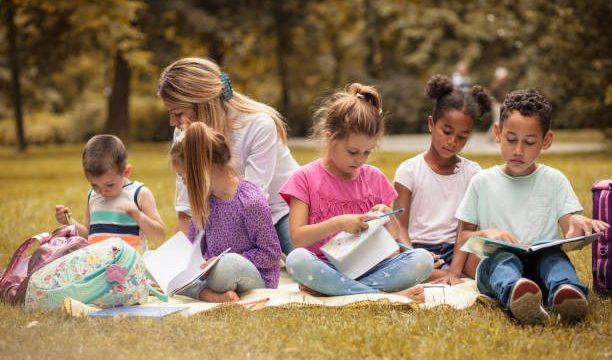
In the evolving landscape of education, student-centered learning has emerged as a powerful approach that places learners at the heart of the educational experience.
This philosophy shifts the focus from traditional teaching methods, where teachers are the primary source of knowledge, to a more collaborative environment where students actively participate in their learning journey.
As educators, crafting lesson plans that embody this student-centered approach can transform classrooms into vibrant spaces of discovery and engagement.
Creating lesson plans that prioritize student engagement requires a thoughtful blend of creativity and structure. At its core, student-centered learning encourages educators to design activities that resonate with students’ interests, experiences, and individual learning styles. This can be achieved through various strategies that foster a sense of ownership among students. For example, incorporating project-based learning allows learners to explore real-world problems, encouraging critical thinking and collaboration while connecting academic content to their lives outside the classroom.
A gentle shift toward balance can make a significant impact on lesson planning. It’s essential to find harmony between guiding students and allowing them the freedom to explore. While structure is important, overly rigid plans can stifle creativity. Instead, consider flexible lesson outlines that allow for adaptation based on student feedback and interests. This not only enhances engagement but also empowers students to take an active role in shaping their learning experiences.
Incorporating technology into lesson plans can also enhance student-centered learning. Tools like interactive simulations, collaborative online platforms, and multimedia resources can enrich the educational experience. By integrating technology, educators can create dynamic lessons that appeal to diverse learning styles. For instance, using virtual reality to explore historical events or utilizing online discussion boards for literature analysis can spark curiosity and inspire deeper thinking. This blend of traditional teaching methods with modern technology can create a rich tapestry of learning opportunities.
Creating a supportive classroom environment is another key element of student-centered learning. Encouraging a culture of respect and collaboration allows students to express their thoughts and ideas freely. Incorporating regular check-ins and open dialogues helps build strong relationships between students and teachers. When students feel safe and valued, they are more likely to engage fully in their learning. A classroom that promotes emotional well-being fosters a sense of belonging that can significantly enhance academic performance.
Engaging students in goal-setting is a powerful way to promote ownership of their learning. When students are involved in setting their own academic goals, they become more invested in their progress. Teachers can facilitate this process by guiding students in reflecting on their strengths and areas for growth. This reflective practice not only cultivates self-awareness but also encourages a growth mindset, where challenges are viewed as opportunities for learning rather than obstacles.
Collaboration is a cornerstone of student-centered learning. Group projects and peer-to-peer learning experiences provide opportunities for students to learn from one another and build essential social skills. When designing lesson plans, consider incorporating collaborative tasks that require students to work together to solve problems or create projects. This not only enhances communication skills but also fosters a sense of community within the classroom, where students feel connected to one another.
Assessment in a student-centered learning environment should also reflect the philosophy of collaboration and reflection. Rather than relying solely on traditional tests, consider incorporating formative assessments that provide ongoing feedback. Portfolios, presentations, and self-assessments allow students to showcase their learning journey and reflect on their growth. This type of assessment not only acknowledges individual progress but also encourages students to take ownership of their learning.
Another gentle yet impactful shift is to incorporate mindfulness practices into the classroom. Mindfulness can help students develop focus and self-regulation, essential skills for effective learning. Simple practices, such as breathing exercises or short moments of reflection, can enhance students’ emotional well-being and set a positive tone for the learning environment. When students are more present and engaged, they are better equipped to absorb new information and participate in discussions.
As educators craft lesson plans that embrace student-centered learning, it’s essential to remain flexible and open to change. Every group of students is unique, and what works for one may not work for another. Continually seeking feedback from students about their learning experiences can provide valuable insights into what resonates with them. This ongoing dialogue can inform future lesson planning and create a responsive learning environment.
Ultimately, the goal of student-centered learning is to cultivate lifelong learners who are curious, resilient, and engaged. By creating lesson plans that prioritize student agency, collaboration, and reflection, educators can empower students to take charge of their educational journeys. This approach nurtures not only academic growth but also personal development, equipping students with the skills they need to thrive in an ever-changing world.
In embracing the principles of student-centered learning, educators embark on a fulfilling journey that transforms classrooms into spaces of exploration and growth. As they shift their focus from teaching to facilitating, they create an enriching environment that honors the diverse needs and aspirations of every student. With thoughtful lesson planning and a commitment to fostering a supportive and engaging atmosphere, teachers can inspire a love of learning that lasts a lifetime.