In the ever-evolving landscape of education, one of the most valuable skills we can cultivate in students is the ability to reflect.
Reflection is not just a tool for assessment; it is a pathway to deeper understanding, personal growth, and enhanced learning.
Crafting lesson plans that encourage reflection can transform the classroom experience and empower students to take ownership of their learning journeys.
Creating a reflective classroom environment starts with intentional lesson planning. When educators design lessons that invite students to think critically about their experiences, they create opportunities for meaningful engagement. The goal is to create a safe space where students feel comfortable expressing their thoughts and emotions, allowing them to connect their learning to their lives outside the classroom.
One effective way to encourage reflection is through open-ended questions. These types of questions invite students to explore their thoughts and feelings about a topic in depth. Instead of asking students to recall facts or provide straightforward answers, consider posing questions that require them to analyze, synthesize, and evaluate their learning. For example, rather than asking, “What did you learn today?” you might ask, “How did today’s lesson change your perspective on the topic?” This small shift can lead to richer discussions and deeper insights.
Incorporating journaling into lesson plans is another powerful strategy for promoting reflection. Journals provide students with a private space to articulate their thoughts, feelings, and reactions to what they are learning. Encourage students to write freely, without the pressure of grammar or structure. This practice can help them process their experiences and identify themes in their learning. Over time, they might notice patterns in their reflections, leading to greater self-awareness and growth.
Creating opportunities for peer feedback is also beneficial. When students share their reflections with one another, they can gain new perspectives and insights that they may not have considered. This collaborative approach fosters a sense of community within the classroom, where students learn not only from their own experiences but also from the diverse viewpoints of their classmates. Encourage students to ask questions and provide constructive feedback, creating an open dialogue that enhances their understanding and encourages deeper reflection.
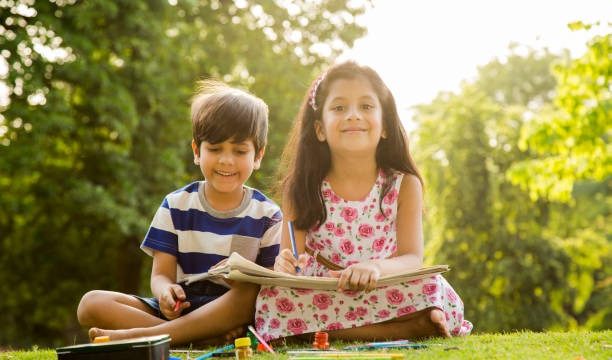
Another gentle yet effective way to encourage reflection is through the use of art. Incorporating creative projects into lesson plans can allow students to express their thoughts and feelings in non-verbal ways. Whether it’s through drawing, painting, or digital media, art can serve as a powerful tool for self-expression. For instance, after a lesson on a complex subject, students might create a visual representation of their understanding. This process can reveal connections and insights that might remain hidden in traditional written formats.
Mindfulness practices can also play a role in fostering reflection. Integrating short mindfulness exercises into the classroom routine can help students center themselves and become more attuned to their thoughts and feelings. Simple breathing exercises or guided meditations can create a calm atmosphere conducive to reflection. When students take a moment to pause and reflect on their learning experiences, they are more likely to internalize what they have learned and connect it to their personal lives.
As educators, it is essential to model reflective practices ourselves. Sharing our own reflections can humanize the learning process and demonstrate that reflection is a lifelong journey. When students see their teachers engaging in reflective practices, they are more likely to feel inspired to do the same. Consider sharing personal anecdotes related to the lesson or discussing your own learning experiences. This transparency can foster trust and encourage students to embrace their own reflections.
Creating a culture of reflection requires patience and consistency. It’s essential to remind students that reflection is not about achieving a specific answer or outcome. Instead, it’s about the journey of self-discovery and understanding. Encourage them to embrace their thoughts, even if they feel uncertain or incomplete. This acceptance of the reflective process can help students feel more comfortable exploring their feelings and thoughts without the fear of judgment.
Assessment can also be reimagined through the lens of reflection. Instead of traditional tests and quizzes, consider incorporating reflective assessments that allow students to demonstrate their understanding in creative ways. This could include reflective essays, presentations, or portfolios that showcase their learning journey. By shifting the focus from grades to personal growth, students can engage more deeply with their learning and experience a sense of accomplishment that goes beyond mere numbers.
In the end, the goal of encouraging reflection in the classroom is to nurture thoughtful, self-aware individuals who are equipped to navigate the complexities of life. By designing lesson plans that prioritize reflection, educators create an environment where students can explore their identities, understand their motivations, and develop a lifelong love of learning. As they embark on this journey, students not only cultivate a deeper understanding of the subjects at hand but also foster essential skills that will serve them well beyond the classroom walls.
Reflection is a gentle guide that leads us toward a deeper understanding of ourselves and the world around us. When we embrace it in our teaching practices, we create a nurturing atmosphere where students can thrive. Through thoughtful lesson planning, open dialogue, and creative expression, we can inspire our students to become reflective thinkers who are ready to take on the challenges of the future. In this way, we not only teach them about academic subjects but also about the power of introspection and the beauty of personal growth.