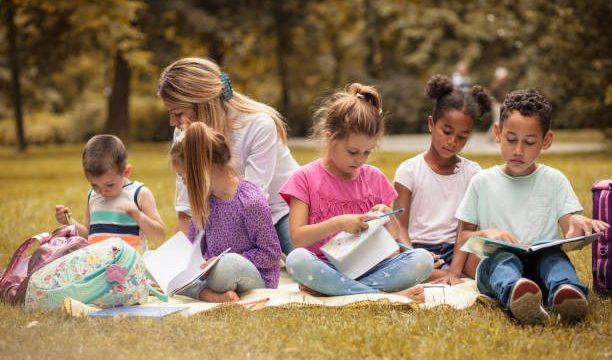
Individualized Education Plans: Strategies for Academic and Social Development
Navigating the world of education can be a complex journey, especially for students who require tailored support to thrive.
Individualized Education Plans (IEPs) serve as a beacon of hope, offering personalized strategies that cater to unique learning needs.
The beauty of an IEP lies in its flexibility; it is not just a document but a living guide that shapes the educational experience for students, taking into account their academic and social development.
At its core, an IEP is designed to provide a structured approach to learning, ensuring that each student receives the support necessary to reach their full potential. This plan typically includes specific goals, accommodations, and modifications tailored to the individual. But how do we ensure that these plans translate into meaningful progress? The answer lies in a collaborative and holistic approach that encompasses both academic and social dimensions.
Creating a nurturing environment is essential for any student, especially those with an IEP. This begins at home, where families play a crucial role in supporting their child’s education. Open lines of communication with teachers and school staff can foster a partnership that reinforces the goals outlined in the IEP. When parents are actively involved, they can help bridge the gap between home and school, ensuring a consistent approach to learning and development.
A small shift toward balance can make a world of difference. It’s important to recognize that academic success isn’t solely defined by grades or test scores. Social skills are equally vital in a child’s overall development. Incorporating opportunities for social interaction within the educational framework can enrich the learning experience. Activities that promote teamwork, communication, and empathy can be integrated into the curriculum, allowing students to practice these skills in a supportive environment.
Another effective strategy is to focus on strengths rather than weaknesses. An IEP should highlight what a student excels at and use those strengths as a foundation for growth. This positive reinforcement can boost self-esteem and motivation. For example, if a student has a passion for art, integrating creative projects into their learning can ignite their enthusiasm and enhance engagement. By building on what they love, students often find it easier to tackle more challenging subjects.
Flexibility is key in the implementation of an IEP. As students grow and evolve, their needs may change. Regular assessments and updates to the plan ensure that it remains relevant and effective. This adaptability allows educators to respond to the dynamic nature of learning, making necessary adjustments to teaching methods and strategies. It’s a continuous process that should involve all stakeholders, including the student, parents, and educators.
Creating a supportive classroom atmosphere is equally important. Teachers can adopt a variety of instructional strategies to cater to different learning styles. This might include hands-on activities, visual aids, or technology integration. By diversifying teaching methods, educators can reach each student on a personal level, making learning more accessible and enjoyable. A warm, inclusive environment encourages participation and fosters a sense of belonging, which is vital for social development.
Peer support can also be a powerful tool in the educational journey. Encouraging friendships and alliances between students can enhance social skills and provide a support network. Group projects, collaborative learning, and buddy systems can help students feel more connected and less isolated. These interactions not only promote academic success but also teach valuable life skills such as cooperation, conflict resolution, and communication.
As we consider the broader implications of IEPs, it’s essential to remember that the goal is not merely academic success but the holistic development of the child. Social-emotional learning (SEL) is an integral part of this journey. Incorporating SEL into the curriculum can help students develop resilience, empathy, and emotional intelligence. These skills are crucial for navigating life’s challenges and building meaningful relationships.
Encouraging self-advocacy is another vital aspect of an IEP. Teaching students to understand their own needs and articulate them can empower them to take charge of their educational journey. This skill not only aids in their current learning environment but also prepares them for future endeavors. As they learn to express their needs and preferences, students become more engaged and invested in their education.
Support doesn’t end at the classroom door. Community resources can play a significant role in reinforcing the strategies outlined in an IEP. Local organizations, extracurricular activities, and support groups can provide additional avenues for social interaction and skill development. Engaging with the community allows students to practice their social skills in diverse settings, further enriching their experiences.
In conclusion, Individualized Education Plans are not just bureaucratic documents; they are living frameworks that can transform a student’s educational experience. By focusing on collaboration, strengths, and a holistic approach to development, we can create an environment where every child has the opportunity to flourish academically and socially. Each small step taken can lead to significant strides in a child’s growth, paving the way for a brighter future. With patience, understanding, and a commitment to individualized support, we can help students navigate their unique paths with confidence and joy.