In the ever-evolving landscape of education, the importance of tailoring learning experiences to meet the unique needs of each student has become increasingly recognized.
Individualized Education Plans (IEPs) are one of the most effective tools in this endeavor, designed to ensure that every child has the opportunity to thrive academically and socially.
Understanding the benefits of IEPs can shed light on how they serve not just students with disabilities, but the entire educational community.
A gentle embrace of diversity
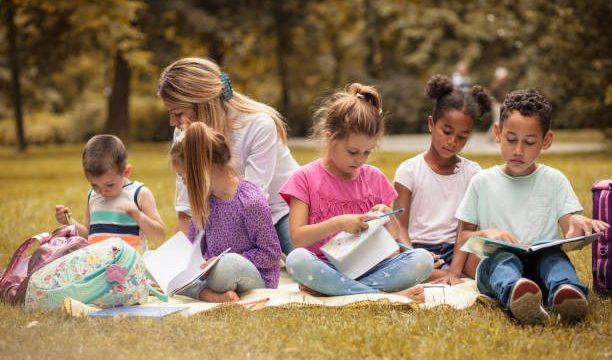
Every child is unique, with their own strengths, challenges, and learning styles. An IEP begins with this understanding, recognizing that a one-size-fits-all approach to education often falls short. Instead, IEPs prioritize tailored strategies that cater to individual needs, allowing each student to engage with the curriculum in a way that resonates with them. This personalized approach helps foster a more inclusive classroom environment, where diversity is not just acknowledged but celebrated.
Creating a roadmap for success
At the heart of an IEP is a collaborative process that involves educators, parents, and, when appropriate, the students themselves. Together, they craft a detailed plan that outlines specific educational goals and the methods to achieve them. This roadmap not only clarifies expectations but also empowers students by giving them a voice in their learning journey. When students understand their goals and the steps to reach them, they often feel more motivated and invested in their education.
Nurturing self-advocacy and independence
One of the most profound benefits of IEPs is the emphasis on self-advocacy. As students become more aware of their learning needs and strengths, they gain the confidence to speak up for themselves. This skill is invaluable, not only in the classroom but also in life beyond school. By learning to articulate their needs, students cultivate a sense of independence that prepares them for future challenges, whether in further education or the workplace.
Fostering meaningful relationships
IEPs also foster stronger relationships among students, educators, and families. When everyone is on the same page regarding a child’s educational journey, it creates a sense of community and shared purpose. Parents often feel more connected to their child’s school experience, and educators gain deeper insights into their students’ needs. This collaborative spirit can lead to a more supportive atmosphere where everyone works together to help each child reach their full potential.
Enhancing academic outcomes
Research has shown that when students receive personalized support through IEPs, their academic outcomes can significantly improve. Tailored instruction addresses specific learning challenges, making it easier for students to grasp complex concepts. This targeted approach can lead to increased engagement, better retention of information, and a greater likelihood of achieving educational milestones. Ultimately, the benefits of IEPs extend beyond academics, promoting a love for learning and a sense of accomplishment.
A small shift toward balance
For students who may struggle in traditional educational settings, IEPs offer a vital lifeline. They provide accommodations and modifications that can level the playing field, allowing students to demonstrate their knowledge and skills in ways that align with their individual learning profiles. This shift toward balance not only enhances educational equity but also nurtures a sense of belonging within the classroom.
Building a foundation for lifelong learning
The benefits of IEPs extend far beyond the classroom walls. By equipping students with the tools and strategies they need to succeed, IEPs lay the groundwork for lifelong learning. As students develop critical thinking skills, adaptability, and resilience, they become better prepared to navigate the complexities of life beyond school. These are essential skills that will serve them well in their personal and professional lives.
Encouraging collaboration and innovation
The process of developing and implementing an IEP encourages collaboration not just among individuals, but also among educational institutions. Schools are prompted to innovate their teaching methods and resources to better support diverse learners. This collaborative spirit can lead to the development of new programs and practices that benefit all students, creating a ripple effect that enhances the overall educational experience.
A holistic approach to education
An IEP recognizes that learning is not just about academic achievement. It encompasses social, emotional, and behavioral aspects as well. By addressing the whole child, IEPs promote well-rounded development. This holistic approach can lead to improved self-esteem, better relationships with peers, and a greater sense of belonging within the school community. When students feel supported in all areas of their lives, they are more likely to thrive.
Inspiring a culture of understanding
As schools embrace the principles behind IEPs, they foster a culture of understanding and empathy among students. When children learn about the diverse needs of their peers, they cultivate compassion and respect. This awareness can lead to a more inclusive environment, where differences are not just tolerated but appreciated. Such a culture prepares students to navigate a diverse world, nurturing the qualities of kindness and acceptance that are essential in today’s society.
Navigating the journey together
For families navigating the world of IEPs, the experience can feel overwhelming at times. However, it’s important to remember that they are not alone on this journey. Schools, educators, and support networks are there to guide parents and students, ensuring that the IEP process is a collaborative and positive experience. By fostering open communication and mutual respect, families can feel empowered to advocate for their child’s needs and celebrate their progress.
In conclusion, Individualized Education Plans are more than just documents; they are powerful tools that can transform the educational landscape for students. By recognizing and embracing the individuality of each learner, IEPs pave the way for success, fostering a sense of belonging and empowerment. As we continue to champion personalized education, we take a step closer to creating a more inclusive and equitable world for all students. The journey may be complex, but the rewards—both for students and the wider community—are immeasurable.