Encouraging Communication Skills in Special Needs Learning
In a world that thrives on connection, communication is a vital thread that weaves through our daily lives.
For individuals with special needs, fostering effective communication skills can be both a journey and a celebration of unique abilities.
Each step taken toward enhancing these skills can open doors to understanding, friendship, and self-expression, creating a richer tapestry of interactions.
The beauty of communication lies in its many forms. For some, it might be verbal exchanges filled with words, while for others, it could manifest through gestures, facial expressions, or even art. Recognizing that communication is not a one-size-fits-all endeavor is essential in nurturing these skills. Every child has their own rhythm, and understanding this can be the key to unlocking their potential.
Creating a supportive environment is one of the first steps in this journey. A space that feels safe and welcoming allows children to express themselves without fear of judgment. This can be achieved through simple adjustments in the home or classroom. Soft lighting, comfortable seating, and familiar objects can create an atmosphere that encourages exploration and interaction. When children feel at ease, they are more likely to engage in conversations, whether through spoken words, sign language, or alternative communication methods.
Incorporating play into learning is another wonderful way to promote communication skills. Play is a natural language for children, and it offers numerous opportunities for interaction. Games that require turn-taking, sharing, or storytelling can enhance verbal skills while also fostering social connections. For those who may not communicate verbally, interactive play using visual aids or tactile materials can be equally enriching. The joy of play encourages children to express themselves, making communication feel less like a task and more like an enjoyable experience.
Storytelling can be a powerful tool in developing communication skills. Sharing stories—whether they are personal anecdotes, fairy tales, or imaginative tales—provides a rich context for language development. Children can learn new vocabulary, practice sentence structure, and explore emotions through stories. Engaging in storytelling together, whether through reading aloud or creative narration, can spark conversations that nurture a child’s ability to articulate their thoughts and feelings. This shared experience not only enhances communication but also strengthens bonds between caregivers and children.
Visual supports can also play a significant role in facilitating communication. Many children with special needs respond well to visual cues, such as pictures, charts, or symbols. These tools can help clarify concepts, enhance understanding, and promote expression. For instance, using a visual schedule can assist children in anticipating daily activities, reducing anxiety and fostering a sense of control. When children can see what comes next, they are more likely to engage and communicate about their experiences.
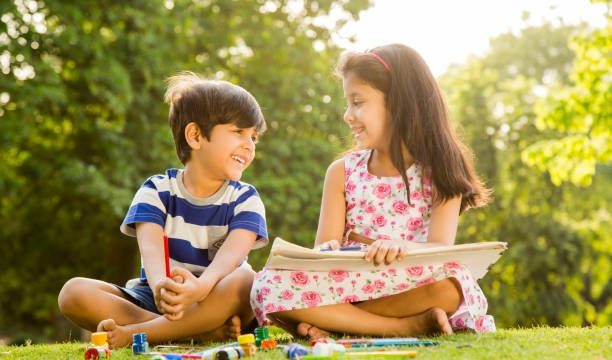
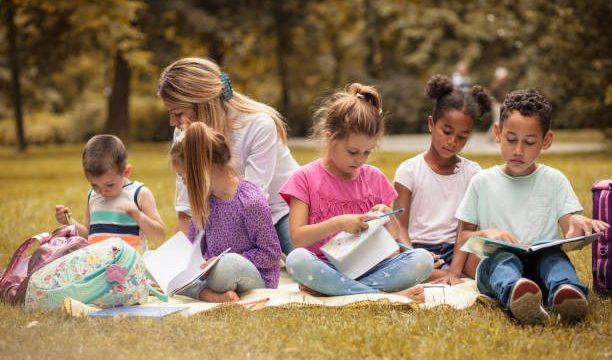
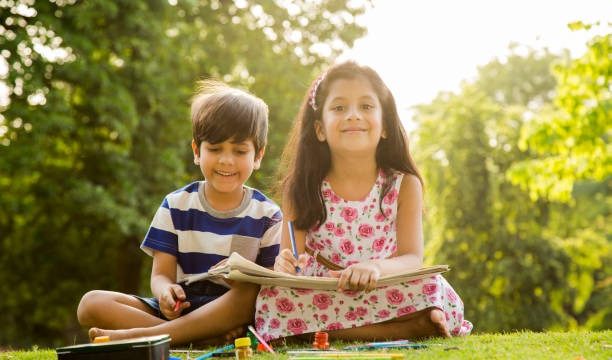
Encouraging peer interaction is another important aspect of developing communication skills. When children engage with their peers, they learn to navigate social dynamics and practice their conversational skills in real-world scenarios. Organizing inclusive group activities can create opportunities for children to connect with one another, share ideas, and learn from each other. These interactions can be simple, such as collaborative art projects or group games, allowing children to express themselves in a comfortable setting.
It’s essential to celebrate small victories along the way. Each time a child makes an effort to communicate, whether through words, gestures, or other means, it’s a moment worth acknowledging. Positive reinforcement can boost a child’s confidence and encourage them to continue practicing their skills. Whether it’s through verbal praise, a high-five, or a celebration of their achievements, recognizing their efforts can motivate them to keep striving for progress.
As caregivers and educators, it’s also important to model effective communication. Children often learn by observing the adults around them. By demonstrating clear communication techniques—such as active listening, asking open-ended questions, and expressing emotions—adults can provide valuable examples for children to emulate. Engaging in conversations that include pauses for thought and encouraging back-and-forth exchanges can create a rich learning experience that children will carry with them.
Incorporating technology can also enhance communication learning. Various apps and devices are designed to support individuals with special needs in expressing themselves. From speech-generating devices to communication apps that use symbols and pictures, technology can provide alternative avenues for communication. Exploring these tools can empower children to find their voice in a way that feels comfortable and effective for them.
Lastly, patience is a fundamental ingredient in this journey. Developing communication skills takes time, and each child progresses at their own pace. Embracing the process, with all its ups and downs, allows for a more compassionate approach to learning. Celebrating the journey and remaining open to the various ways that children express themselves can lead to meaningful connections and understanding.
In conclusion, encouraging communication skills in special needs learning is a multifaceted endeavor that requires creativity, compassion, and commitment. By creating supportive environments, incorporating play, utilizing visual aids, promoting peer interaction, and modeling effective communication, we can help children find their voices and express their unique perspectives. Through patience and celebration of progress, we can nurture a world where every child feels empowered to communicate and connect, enriching not only their lives but the lives of those around them. The journey may be challenging at times, but the rewards—deeper connections, understanding, and joy—make it a truly worthwhile pursuit.