Creating an inclusive environment for special needs learners is an enriching journey that benefits everyone involved.
Whether you’re a teacher, caregiver, or a family member, adapting activities can create a more engaging and supportive atmosphere.
The key is to embrace flexibility and creativity, allowing each learner to shine in their own unique way.
Understanding individual needs is the first step towards meaningful adaptation. Every learner is different, and their needs can vary widely. This diversity can come from various conditions, learning styles, or personal preferences. By taking the time to understand these individual differences, you can tailor activities that resonate with each learner’s strengths and interests. This not only helps in skill development but also fosters a sense of belonging and self-esteem.
A small shift toward balance can make a world of difference. When designing activities, consider the balance between challenge and support. It’s essential to create experiences that are neither too easy nor overwhelmingly difficult. The sweet spot lies in providing just the right amount of challenge to encourage growth while ensuring that learners feel supported and capable. This might mean simplifying instructions, breaking tasks into smaller steps, or providing additional resources to assist with complex tasks.
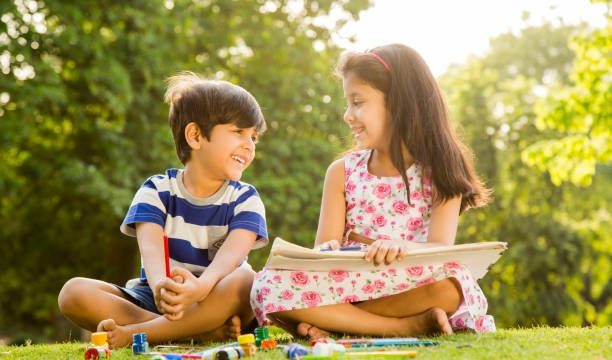
Incorporating sensory experiences into activities can also enhance engagement. Many special needs learners thrive in environments that stimulate their senses. Think about how you can integrate elements such as textures, sounds, and colors into your activities. For instance, art projects can be made more interactive by including various materials that learners can touch and manipulate. Sensory bins filled with different items can also provide a hands-on experience that promotes exploration and creativity. These sensory-rich experiences can make learning more enjoyable and effective.
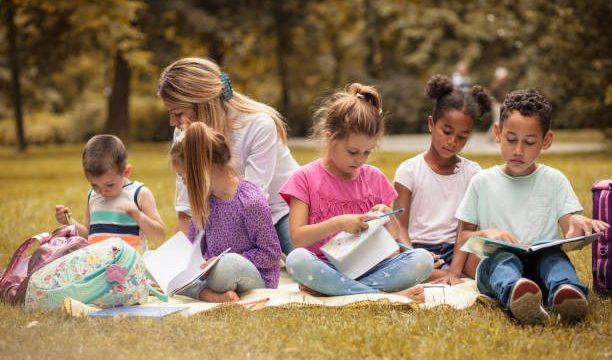
Collaboration can be a beautiful part of adapting activities. Encouraging peer interaction not only builds social skills but also enriches the learning experience. Group activities can be designed to promote teamwork and communication. You might consider cooperative games that require learners to work together, fostering a sense of community. Tailoring roles within group tasks can also ensure that everyone has a chance to contribute in a way that feels comfortable and meaningful.
Flexibility in your approach can lead to delightful surprises. Sometimes, the best adaptations come from being open to spontaneous changes. If you notice that a particular activity isn’t resonating with a learner, be willing to pivot. This could mean altering the activity on the fly or even scrapping it altogether in favor of something more engaging. Listening to the needs and feedback of the learners is crucial. They often have insights into what works best for them, and their preferences can guide your adaptations.
Creating a calm and inviting atmosphere is another essential aspect of adapting activities. A peaceful environment can significantly enhance focus and engagement. Consider the physical space where activities take place. Soft lighting, comfortable seating, and minimal distractions can help learners feel at ease. You might also incorporate calming techniques, such as deep breathing or mindfulness exercises, before starting an activity. This can help set a positive tone and prepare learners to engage fully.
Technology can serve as a powerful ally in adapting activities. There are countless resources available that cater specifically to special needs learners. From educational apps to interactive games, technology can provide alternative ways to engage with content. Utilizing these tools can cater to various learning styles and preferences. However, it’s important to ensure that technology is used in moderation and that it complements, rather than replaces, personal interactions and hands-on experiences.
Celebrating small successes can foster motivation and confidence. Recognizing achievements, no matter how minor, can encourage learners to take pride in their efforts. Create a culture of celebration within your activities. This might involve sharing accomplishments with peers, displaying work, or even having a simple acknowledgment system that highlights individual progress. These moments of recognition can inspire learners to keep striving and exploring.
Patience and understanding are cornerstones of successful adaptations. Every learner may progress at their own pace, and that’s perfectly okay. It’s essential to maintain a supportive and encouraging demeanor, especially when challenges arise. Being patient allows learners to feel secure in their learning environment, where they can take risks without fear of judgment. This supportive atmosphere nurtures resilience and encourages a love for learning.
Engaging with families can enrich the adaptation process. Families often have valuable insights and suggestions that can enhance activities. By collaborating with parents and caregivers, you can gain a deeper understanding of a learner’s background, interests, and preferred learning styles. This partnership can lead to more meaningful adaptations that resonate with the learner both at school and at home. Regular communication fosters a sense of community and shared purpose, creating a holistic approach to education.
Ultimately, the goal of adapting activities for special needs learners is to create a space where every individual feels valued and empowered. This journey requires creativity, empathy, and a willingness to learn from each experience. By embracing diversity and fostering an inclusive environment, you are not only supporting special needs learners but also enriching your own understanding of the world.
As you embark on this journey of adaptation, remember that every small effort counts. The changes you make, no matter how subtle, can have a profound impact on the lives of special needs learners. By nurturing their unique abilities and providing tailored experiences, you create opportunities for growth, connection, and joy. In turn, this fosters a richer, more inclusive community where all learners can thrive.