Supporting Emotional Development in Special Needs Learning
In the world of education, each child is a unique tapestry of experiences, emotions, and potential.
When it comes to special needs learning, this individuality shines even brighter.
Emotional development plays a crucial role in the holistic growth of children facing various challenges.
Nurturing emotional well-being not only enhances learning experiences but also fosters resilience, confidence, and social skills.
Emotional development is often seen as the foundation upon which cognitive and social skills are built. For children with special needs, this foundation may require a different approach, yet the goal remains the same: to create an environment where they can thrive emotionally and academically. Understanding the nuances of emotional development can help caregivers, educators, and families provide the support these children need to flourish.
Creating a safe emotional space is the first step in this journey. Children with special needs may be more sensitive to their surroundings and can struggle with feelings of anxiety or frustration. Establishing a calm and reassuring environment helps them feel secure. This can be achieved through simple practices like maintaining a consistent routine, offering clear expectations, and providing a space where they can retreat when overwhelmed.
Listening with empathy is another vital aspect of supporting emotional development. Children often express themselves through behaviors rather than words. Taking the time to observe and understand these expressions can reveal their feelings and needs. When caregivers respond with patience and compassion, it encourages children to communicate more openly. Acknowledging their emotions, whether they are feelings of joy, sadness, or frustration, validates their experiences and fosters trust.
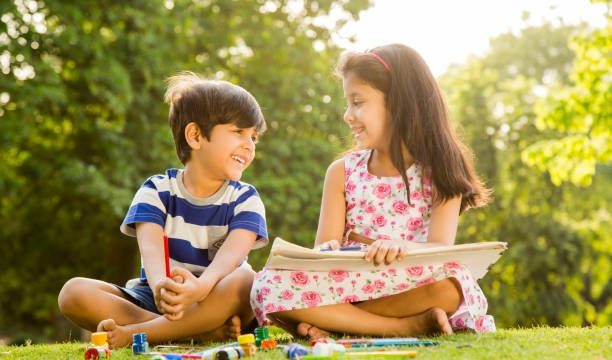
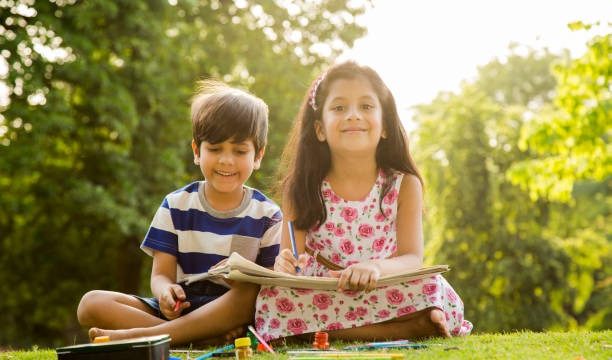
Encouraging self-expression is a beautiful way to support emotional growth. Art, music, and play can serve as powerful outlets for children to explore their feelings. Providing opportunities for creative expression allows them to convey emotions they might struggle to articulate verbally. Activities such as painting, dancing, or even storytelling can become therapeutic avenues, helping them process their experiences in a safe and enjoyable manner.
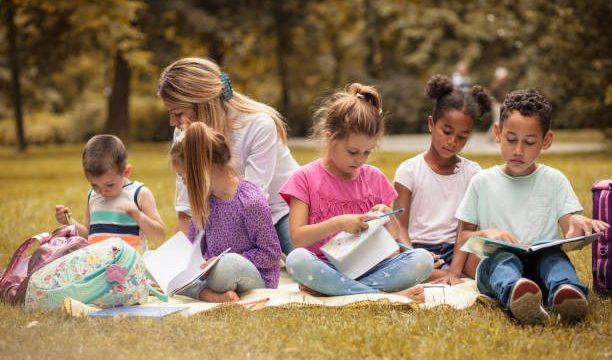
Building social connections is equally important in this emotional landscape. Relationships with peers can significantly impact a child’s emotional development. Encouraging social interactions, whether through group activities or structured playdates, can help children develop empathy and understanding. It’s essential to create opportunities for them to engage with others in supportive environments, allowing them to practice communication and cooperation.
A small shift toward balance can make a world of difference in how children experience their emotions. Teaching coping strategies is a gentle way to equip them with tools for managing overwhelming feelings. Simple techniques such as deep breathing, mindfulness, or even counting can be introduced in a playful manner. These strategies can empower children to take control of their emotional responses, fostering resilience and a sense of agency.
Involving families in the emotional development process is key. Parents and caregivers are the primary sources of support and guidance for children. Open communication between educators and families creates a consistent approach to emotional well-being. Sharing observations, successes, and challenges helps build a collaborative atmosphere where everyone is working toward the same goal. This partnership can also provide families with resources and strategies to reinforce emotional learning at home.
Recognizing and celebrating small victories can have a profound impact on a child’s emotional development. Progress may look different for each child, and it’s essential to honor their individual journeys. Celebrating achievements, no matter how small, boosts self-esteem and motivates children to continue exploring and growing. This can be as simple as acknowledging their efforts, providing positive reinforcement, or creating a visual display of their accomplishments.
Promoting a growth mindset is another gentle way to support emotional development. Teaching children that making mistakes is a natural part of learning helps reduce the fear of failure. Encouraging them to view challenges as opportunities for growth fosters resilience. When children understand that effort and perseverance are what truly matter, they become more willing to take risks and embrace new experiences.
Incorporating emotional literacy into daily routines can also be beneficial. Helping children identify and label their emotions builds a vocabulary for expressing feelings. Simple activities like reading books that explore emotions, discussing characters’ feelings, or even using picture cards can facilitate understanding. This practice not only enhances emotional awareness but also equips children with the language they need to articulate their experiences.
As we navigate the path of supporting emotional development in special needs learning, it’s essential to remain patient and compassionate. Each child’s journey is unique, and progress may unfold in unexpected ways. Embracing this individuality allows us to tailor our approaches to meet their specific needs, creating a nurturing environment where they can feel valued and understood.
In conclusion, the emotional development of children with special needs is an intricate and beautiful process. By creating safe spaces, encouraging self-expression, and fostering social connections, we can support their growth in meaningful ways. As we celebrate their unique journeys, we also nurture a generation that is resilient, empathetic, and ready to embrace the world with open hearts. Through love, understanding, and patience, we can help these children flourish emotionally and academically, paving the way for a brighter future.