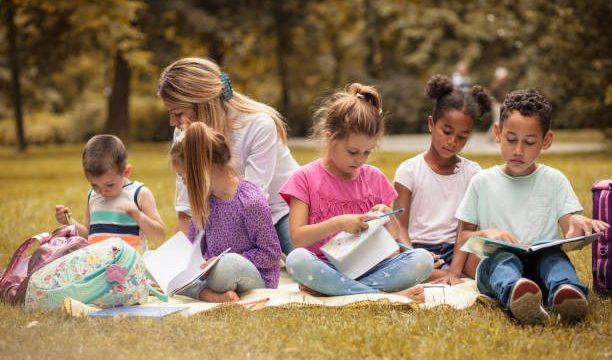
In a world that increasingly values collaboration, fostering a spirit of teamwork among students has never been more essential.
Whether in a traditional classroom setting or through virtual learning, encouraging students to work together can ignite creativity, enhance problem-solving skills, and build lasting relationships.
Here are some gentle tips to inspire collaboration among students, creating an environment where they thrive collectively.
A small shift toward connection
At the heart of collaboration lies connection. Begin by creating a classroom environment that emphasizes the importance of relationships. Encourage students to share their thoughts and experiences, not just academically but personally as well. Simple icebreaker activities can facilitate this process, allowing students to learn about each other in a relaxed atmosphere. As they discover shared interests or experiences, the foundation for collaboration is laid.
Consider incorporating group discussions into your curriculum. These conversations can allow students to express their ideas and opinions while also listening to their peers. This not only promotes active participation but also fosters respect for diverse perspectives. When students feel heard and valued, they are more likely to engage in collaborative efforts.
Creating collaborative spaces
The physical environment can significantly influence how students interact. If possible, arrange the classroom to encourage collaboration. Small group seating can create a more intimate atmosphere, inviting students to share thoughts and work together. Alternatively, consider using flexible furniture that can be rearranged for different activities, allowing students to adapt their surroundings based on their needs.
In a digital context, virtual breakout rooms can serve a similar purpose. These smaller, focused spaces allow students to engage in meaningful discussions or projects without the distractions of the larger group. The key is to create an environment, whether physical or virtual, that feels welcoming and conducive to collaboration.
Nurturing a culture of trust
Trust is the cornerstone of effective collaboration. As an educator, it’s essential to model vulnerability and openness. Share your own experiences and challenges, demonstrating that it’s okay to ask for help or admit when something doesn’t go as planned. When students see you embracing vulnerability, they may feel more comfortable doing the same.
Encourage students to build trust among themselves through team-building activities. These exercises can range from simple games to more complex problem-solving tasks that require cooperation. When students learn to rely on one another, they strengthen their bonds and enhance their collaborative spirit.
Fostering creativity through collaboration
Collaboration thrives in an environment that encourages creativity. Allow students the freedom to explore their ideas and express themselves. Consider implementing project-based learning, where students can work together on a shared goal. This approach not only fosters teamwork but also allows for individual creativity to shine through.
Encourage students to brainstorm together. This process can be as simple as gathering ideas on a shared digital platform or using sticky notes in the classroom. When students collaborate in brainstorming sessions, they can build upon each other’s ideas, leading to innovative solutions that they may not have reached individually.
Embracing diversity
In a diverse classroom, students bring a wealth of perspectives and experiences. Embrace this diversity by encouraging students to share their unique viewpoints during collaborative projects. When students learn to appreciate and respect each other’s differences, they cultivate an inclusive environment that enhances collaboration.
Consider incorporating projects that allow students to explore global issues or cultural topics. This not only broadens their understanding of the world but also encourages them to work together to address these challenges. By collaborating on meaningful tasks, students can develop a sense of responsibility and empathy toward one another.
Encouraging reflection
After collaborative projects or activities, take time to reflect as a group. This can be a valuable opportunity for students to discuss what worked well and what could be improved. Encourage them to share their feelings about the collaboration process and how they can apply these lessons in future endeavors.
Reflection helps students internalize their experiences and recognize the value of teamwork. It also fosters a growth mindset, as they learn that collaboration is a skill that can be developed over time. By encouraging students to reflect on their collaborative efforts, you help them build a deeper understanding of the importance of working together.
Celebrating achievements together
Recognizing and celebrating collective achievements can reinforce the value of collaboration. Whether it’s a small victory in a group project or a successful presentation, take the time to acknowledge the hard work of the entire team. This not only boosts morale but also strengthens the bonds among students.
Consider creating a space in the classroom or virtual platform where students can showcase their collaborative projects. This could be a bulletin board displaying their work or a digital portfolio highlighting their achievements. Celebrating together fosters a sense of community and inspires students to continue collaborating in the future.
A journey of growth
As students navigate the journey of collaboration, remind them that it’s a process of growth. There will be challenges and triumphs along the way, and that’s perfectly okay. Encourage them to embrace the learning experience, understanding that each collaboration contributes to their development as individuals and as team players.
In conclusion, fostering student collaboration is a beautiful journey that enriches the educational experience. By nurturing connections, creating welcoming environments, building trust, and celebrating achievements, educators can inspire students to work together harmoniously. As they learn the value of collaboration, they not only enhance their academic skills but also cultivate friendships and memories that will last a lifetime. Through these gentle tips, we can create a community where collaboration flourishes, and every student feels empowered to contribute their voice.