In our increasingly interconnected world, the ability to communicate effectively is more important than ever.
Whether in a classroom, at work, or in social settings, strong communication skills help us to express ourselves clearly, understand others, and build meaningful relationships.
For educators, fostering these skills in students can be a rewarding journey.
There are several lesson plans and activities that can not only enhance communication skills but also create an engaging and supportive learning environment.
Creating a welcoming atmosphere is a vital first step. When students feel comfortable, they are more likely to express themselves openly. Begin with icebreaker activities that allow students to share a little about themselves. Simple games, like “Two Truths and a Lie,” can encourage sharing personal stories while honing listening skills. These activities not only break down barriers but also promote a sense of community.
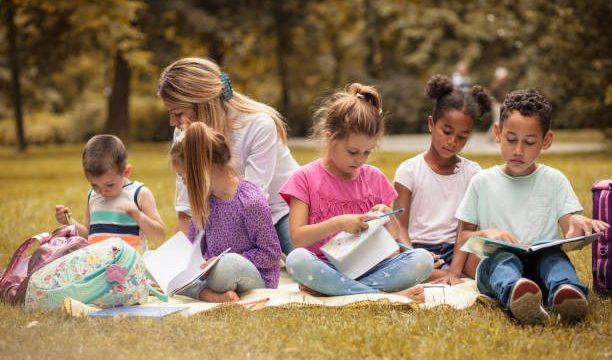
As students become more comfortable with one another, consider introducing collaborative projects that require teamwork and communication. Group assignments that encourage discussion and brainstorming allow students to practice articulating their thoughts and negotiating ideas. This collaborative approach nurtures not just verbal communication but also non-verbal cues, such as body language and eye contact, essential for effective interactions.
Another engaging way to build communication skills is through storytelling. Encourage students to share personal narratives or create fictional stories. This exercise not only fosters creativity but also helps students learn how to structure their thoughts and present them coherently. Storytelling can be a powerful tool, allowing students to connect on an emotional level and practice empathy through understanding different perspectives.
Role-playing is another dynamic method to enhance communication. By stepping into someone else’s shoes, students learn to navigate various social situations. This can be particularly effective in teaching conflict resolution or practicing difficult conversations. For instance, simulating a job interview or a customer service scenario can prepare students for real-life situations. This hands-on experience builds confidence and hones their ability to communicate under pressure.
A small shift toward balance can be achieved through active listening exercises. Teach students the importance of not just speaking, but truly hearing what others are saying. Activities that focus on paraphrasing and summarizing can reinforce this concept. For example, after a group discussion, ask students to summarize what their peers said. This not only encourages attentiveness but also enhances comprehension and retention.
Incorporating technology can also elevate communication skills in the modern classroom. Encourage students to use multimedia presentations, video projects, or podcasts. These platforms require them to convey their message clearly and creatively, using both verbal and visual elements. As they navigate these tools, they will develop a broader range of communication skills, preparing them for diverse environments.
Feedback plays a crucial role in the learning process. Creating a culture of constructive criticism can help students refine their communication abilities. Teach them how to give and receive feedback graciously. This can be done through peer reviews or group discussions where students can share insights on each other’s work. A supportive atmosphere encourages growth and fosters resilience, essential traits for effective communicators.
In addition to these activities, consider integrating literature into your lesson plans. Reading diverse texts can expose students to various writing styles, vocabularies, and perspectives. Encourage discussions around the themes and characters in the stories. This not only enhances comprehension but also promotes critical thinking and respectful debate. Literature can serve as a springboard for deeper conversations about communication and the nuances of human interaction.
Mindfulness practices can also complement communication skills training. When students learn to be present and aware of their thoughts and feelings, they become better equipped to express themselves. Simple mindfulness exercises, such as guided meditation or breathing techniques, can help students manage anxiety that often accompanies public speaking or group discussions. This inner calm translates to more effective and confident communication.
As educators, it’s important to model effective communication ourselves. Sharing personal experiences or insights can inspire students and create a safe space for them to share. Demonstrating active listening and respectful dialogue sets a powerful example. By fostering an environment of trust and openness, we encourage students to take risks in their communication.
Lastly, celebrate progress, no matter how small. Recognizing improvements in communication skills can motivate students to continue developing these essential abilities. Whether through verbal praise, written feedback, or showcasing their work, acknowledgment can reinforce their efforts and inspire further growth.
In conclusion, building communication skills in students is a multifaceted endeavor that requires creativity, patience, and compassion. By incorporating a variety of lesson plans and activities, educators can create a rich learning environment where students feel empowered to express themselves. As we guide them on this journey, we not only enhance their communication abilities but also help them cultivate meaningful relationships and navigate the world with confidence. The skills they develop today will serve them well into the future, equipping them for success in all aspects of life.