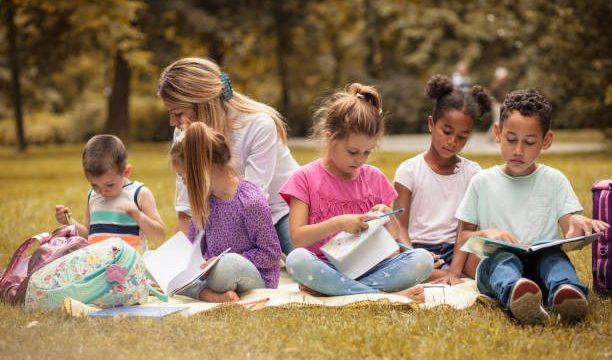
Inspiring Programs for Classroom Excellence
In the heart of every vibrant classroom lies the potential for greatness.
The atmosphere is filled with curiosity, laughter, and a shared journey of discovery.
When educators embrace innovative programs that foster engagement and creativity, they pave the way for students not just to learn, but to thrive.
Here, we explore some inspiring programs that are transforming classrooms into nurturing spaces of excellence.
A gentle push toward creativity
One of the most exciting trends in education today is the integration of creative arts into the curriculum. Programs that emphasize art, music, and drama not only enhance students’ creative skills but also improve their overall academic performance. Schools are increasingly recognizing that when students express themselves creatively, they develop critical thinking skills and emotional intelligence.
Imagine a classroom where students collaborate on a mural that reflects their community’s history. Through this project, they learn about teamwork, cultural heritage, and artistic techniques. Such experiences are invaluable, allowing students to connect their learning to the world around them. When creativity is encouraged, students often feel more engaged and motivated, leading to a more positive classroom environment.
Cultivating mindfulness in education
As the pace of life continues to quicken, many educators are turning to mindfulness programs to help students find balance and focus. Mindfulness practices, such as meditation and deep breathing exercises, can significantly enhance students’ ability to manage stress and improve concentration. By incorporating mindfulness into the daily routine, teachers create a calm and centered classroom atmosphere.
Consider a few moments at the beginning of each day dedicated to mindful breathing. This small shift can help students transition into a learning mindset, allowing them to be more present and attentive. Over time, these practices can foster resilience, helping students navigate challenges with greater ease. The ripple effect of mindfulness can create a more harmonious classroom, where everyone feels valued and heard.
Building connections through community service
Another inspiring approach to classroom excellence is the integration of community service into the educational experience. Programs that encourage students to engage with their communities can instill a sense of responsibility and empathy. When students participate in service projects, they learn about the value of giving back while developing important life skills.
Imagine a group of students organizing a food drive for a local shelter. Through this initiative, they not only learn about social issues but also experience the power of teamwork and leadership. Such programs can transform students’ perspectives, helping them see the impact of their actions on the world around them. This sense of connection can foster a strong classroom community, where students support one another in their learning journeys.
Fostering a love for reading
In an age dominated by technology, cultivating a love for reading can sometimes feel like a challenge. However, innovative reading programs are making significant strides in rekindling students’ passion for books. Schools that create inviting reading environments and encourage diverse literature can inspire even the most reluctant readers.
Picture a cozy reading nook filled with a variety of genres, where students can curl up with a book of their choice. When students have the freedom to explore literature that resonates with them, they are more likely to develop a lifelong love of reading. Book clubs and reading challenges can further enhance this experience, fostering discussions that spark curiosity and critical thinking. By prioritizing reading, educators lay the foundation for a generation of thoughtful, informed individuals.
Embracing technology thoughtfully
As technology continues to evolve, its role in education becomes increasingly significant. Programs that thoughtfully integrate technology into the classroom can enhance learning experiences and prepare students for a digital world. However, it’s essential to strike a balance, ensuring that technology complements rather than overshadows traditional learning methods.
Consider a classroom where students use tablets to research topics for a project, while also engaging in hands-on activities that reinforce their learning. This blend of technology and experiential learning can create a dynamic educational environment. Educators who embrace technology while maintaining a focus on human interaction foster an atmosphere where students feel empowered to explore and innovate.
Encouraging global citizenship
In today’s interconnected world, fostering a sense of global citizenship is more important than ever. Programs that promote cultural awareness and understanding can help students appreciate diversity and develop a broader worldview. By engaging with international partners or participating in global discussions, students can learn about different cultures and perspectives.
Imagine a classroom that connects with a school in another country, allowing students to exchange ideas and experiences. Such initiatives can cultivate empathy and open-mindedness, essential qualities for navigating our diverse society. When students learn to value and respect differences, they contribute to a more inclusive and harmonious world.
Nurturing social-emotional learning
The importance of social-emotional learning (SEL) in education cannot be overstated. Programs that focus on developing students’ social and emotional skills equip them with the tools they need to succeed in life. SEL programs teach students how to manage their emotions, build healthy relationships, and make responsible decisions.
Incorporating SEL into the daily routine can be as simple as dedicating time for discussions about feelings and conflict resolution. When students feel safe to express their emotions, they are more likely to develop strong connections with their peers and teachers. This nurturing environment fosters trust and collaboration, essential components of a thriving classroom.
Inspiring educators to lead with passion
At the heart of every successful classroom is an inspiring educator. Programs that support teachers in their professional development can lead to transformative changes in the classroom. When educators are empowered with new strategies and resources, they can create engaging learning experiences that resonate with their students.
Consider a program that offers mentorship opportunities for teachers, allowing them to share best practices and learn from one another. Such a collaborative approach can reignite passion for teaching, benefiting both educators and students alike. When teachers feel valued and supported, their enthusiasm often translates into a more lively and engaging classroom.
In the pursuit of classroom excellence, it’s essential to remember that small changes can lead to significant impacts. By embracing creativity, mindfulness, community service, reading, technology, global citizenship, social-emotional learning, and professional development, educators can cultivate an environment where students flourish. In this nurturing space, every student has the opportunity to shine, paving the way for a brighter future.