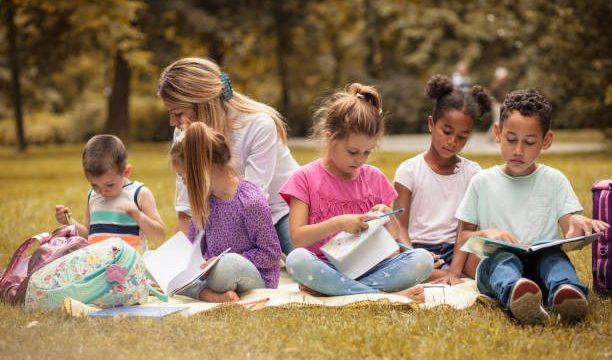
In today’s world, where collaboration is key to success, fostering teamwork among students has never been more important.
The ability to work well with others not only enhances learning experiences but also prepares young minds for the future.
Lesson plans that encourage teamwork can create an environment where students feel valued, connected, and motivated to contribute.
Let’s explore some engaging strategies to cultivate this essential skill in the classroom.
Creating a sense of belonging is crucial for any group activity. When students feel they are part of a team, they are more likely to express their ideas and take risks. One simple yet effective approach is to start each lesson with a brief icebreaker. This could be as straightforward as sharing a fun fact about themselves or collaborating on a short team-building exercise. These initial moments help to break down barriers and build rapport among students, setting a positive tone for the rest of the lesson.
A small shift toward balance can transform the classroom atmosphere. Incorporating group projects into lesson plans not only encourages teamwork but also allows students to leverage each other’s strengths. Consider assigning tasks that require collaboration, such as research projects or creative presentations. By working together, students learn to communicate effectively, delegate responsibilities, and support one another. This collaborative spirit can lead to a sense of achievement that is far more rewarding than individual accomplishments.
As educators, it’s essential to create an inclusive environment where every student feels their input matters. One way to achieve this is by using mixed-ability grouping. Pairing students with different skill levels encourages peer teaching, where stronger students can help their classmates grasp challenging concepts. This not only reinforces the knowledge of those who teach but also builds confidence in those who are learning. It’s a beautiful cycle of giving and receiving that strengthens the bonds within the classroom community.
Encouraging reflection is another vital component of teamwork. After group activities, take the time to facilitate a discussion where students can share their experiences. Ask open-ended questions that prompt them to think about what went well, what challenges they faced, and how they can improve in future collaborations. This practice not only helps students develop critical thinking skills but also fosters a growth mindset, where failures are viewed as opportunities for learning.
Integrating technology can also play a significant role in promoting teamwork. Tools like Google Docs or collaborative platforms allow students to work together in real-time, regardless of their physical location. This can be particularly useful for group assignments, where students can contribute ideas and edits seamlessly. Additionally, incorporating multimedia presentations can inspire creativity, encouraging teams to think outside the box as they combine their talents to create something unique.
As we navigate the complexities of group dynamics, it’s essential to instill a sense of accountability among students. Establishing clear expectations for group work can help students understand their responsibilities and the importance of contributing to the collective effort. Encourage them to set goals together and check in on each other’s progress. This not only promotes responsibility but also nurtures a supportive environment where students feel empowered to hold one another accountable.
Creating a classroom culture that celebrates teamwork is vital. Acknowledging and rewarding collaborative efforts can motivate students to engage more actively. Consider highlighting successful group projects during class discussions or displaying their work on a bulletin board. Celebrating achievements, big or small, reinforces the idea that teamwork is not just a requirement but a valuable and enjoyable experience.
Incorporating role-playing activities can also be a fun way to enhance teamwork skills. Students can take on different roles within a fictional scenario, working together to solve a problem or achieve a common goal. This not only encourages creativity but also helps students understand various perspectives, fostering empathy and collaboration. Role-playing can be particularly effective in teaching conflict resolution, as students learn to navigate disagreements in a safe and constructive environment.
As the school year progresses, it’s important to regularly assess the effectiveness of your teamwork strategies. Gathering feedback from students on their experiences can provide valuable insights. Ask them what they enjoyed, what they found challenging, and what they would like to try in the future. This open dialogue not only shows students that their opinions matter but also allows you to adapt your lesson plans to better meet their needs.
Ultimately, the goal of encouraging teamwork in the classroom extends beyond academic success. It’s about preparing students for real-world interactions, teaching them the importance of collaboration, empathy, and communication. As they learn to work together, they also develop essential life skills that will serve them well in their future endeavors.
In a world that increasingly values collaboration, fostering teamwork through thoughtful lesson plans is a gift that educators can offer their students. By creating an environment that encourages cooperation, reflection, and celebration, we can empower young learners to thrive both in and out of the classroom. As they embark on their journeys, equipped with the skills of collaboration and understanding, they will carry with them the knowledge that together, they can achieve so much more than they ever could alone.