Creating an environment that encourages active participation in special needs classrooms is more than just a goal; it’s a heartfelt journey that involves understanding, patience, and creativity.
Every child has unique abilities and potential, and fostering an inclusive atmosphere can empower them to thrive socially and academically.
Here, we explore gentle strategies to inspire engagement and connection among students in special needs classrooms.
Recognizing individual strengths is a beautiful first step. Each child brings a unique set of skills, interests, and perspectives to the classroom. Teachers and caregivers can take time to observe and appreciate these differences. By acknowledging what each child enjoys or excels at, educators can tailor activities that resonate with their interests. For instance, if a child loves animals, incorporating animal-themed projects or lessons can spark excitement and participation. This approach not only boosts engagement but also helps build self-esteem, as children feel valued for their contributions.
Creating a safe and supportive environment is essential for fostering participation. Children with special needs may have varying levels of comfort when it comes to social interaction and classroom activities. Establishing a routine can provide a sense of stability and predictability. When students know what to expect, they may feel more at ease and willing to engage. Additionally, fostering a culture of respect and kindness among peers can encourage students to support one another. Celebrating small victories, whether it’s verbalizing a thought or participating in a group discussion, can create an uplifting atmosphere where every contribution is cherished.
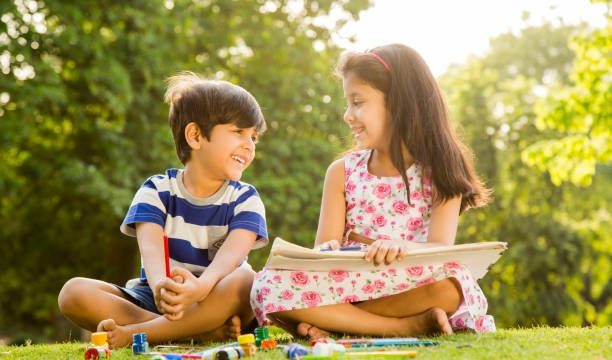
Incorporating hands-on learning experiences can also stimulate active participation. Many children with special needs respond positively to tactile and visual learning methods. Activities that involve art, music, or movement can be particularly effective. For example, using interactive storytelling techniques—where students can act out scenes or create visual aids—can bring lessons to life. This not only caters to various learning styles but also invites students to express themselves in ways they feel comfortable. By blending learning with play, teachers can create a more engaging and enjoyable classroom experience.
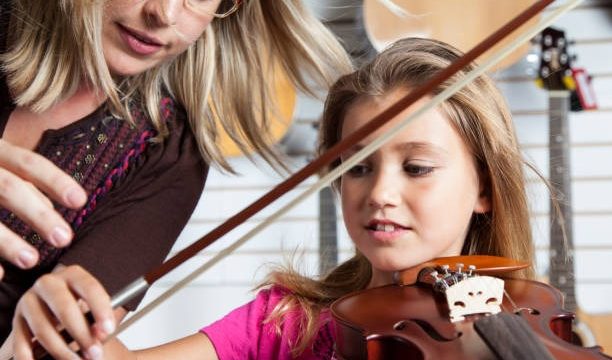
Building strong relationships is another crucial aspect of encouraging participation. When students feel a connection with their teacher and peers, they are more likely to engage actively. Taking time to get to know each student on a personal level can make a significant difference. Simple gestures, such as asking about their interests or favorite activities, can foster trust and openness. Moreover, involving families in the educational process can enhance this connection. Regular communication with parents and caregivers can provide valuable insights into each child’s needs and preferences, allowing educators to tailor their approach accordingly.
Flexibility in teaching methods can also play a vital role in encouraging participation. Understanding that not every child learns the same way is key. Some may thrive in group settings, while others may prefer one-on-one interactions or independent work. Offering a variety of activities and allowing students to choose how they want to participate can empower them to take charge of their learning experience. This sense of autonomy can lead to increased motivation and a willingness to engage.
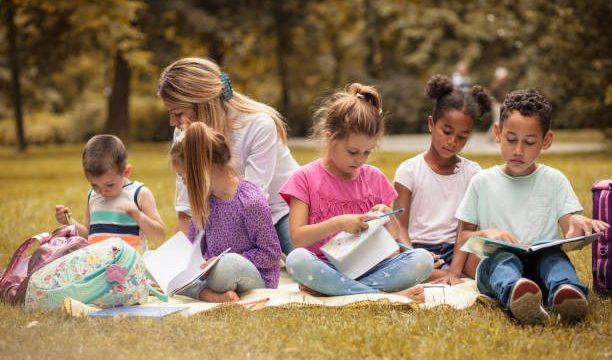
Promoting collaboration among students can further enhance participation. Group projects or peer-to-peer activities can create opportunities for social interaction and teamwork. When children work together, they learn valuable communication skills, as well as the importance of listening and respecting diverse perspectives. These collaborative efforts can also help build friendships, reducing feelings of isolation that some students may experience. Encouraging a buddy system, where more confident students support their peers, can foster a sense of belonging and community within the classroom.
A small shift toward positive reinforcement can also yield meaningful results. Celebrating efforts, regardless of the outcome, can motivate students to participate without fear of judgment. Simple phrases of encouragement, like “I love how you tried that” or “Your idea is wonderful,” can instill a sense of pride and confidence in students. Recognizing their efforts can help them see that participation is valued, leading to a more engaged classroom.
Creating a sensory-friendly environment is another gentle yet impactful way to encourage participation. Many students with special needs may be sensitive to sensory overload, which can hinder their ability to focus and engage. Thoughtful classroom design, such as quiet corners, soft lighting, and calming colors, can create a more welcoming atmosphere. Providing sensory tools, like stress balls or fidget toys, can help students feel more grounded and ready to participate. When the environment feels safe and comfortable, students are more likely to engage in classroom activities.
As we consider the importance of active participation in special needs classrooms, it’s essential to remember the power of patience. Progress may be gradual, and that’s perfectly okay. Each small step forward is a victory worth celebrating. Teachers, caregivers, and peers play a crucial role in this journey, providing encouragement and support along the way.
Ultimately, the goal is to create a nurturing space where every child feels empowered to express themselves and engage with the world around them. By recognizing individual strengths, fostering connections, and embracing flexibility, we can cultivate an inclusive environment that encourages active participation. This journey is not just about education; it’s about building a community where every child can shine in their own unique way. Through understanding and compassion, we can help each student find their voice and take their place in the vibrant tapestry of the classroom.