Supporting Communication Development in Special Needs Education
In the journey of education, communication stands as a vital bridge connecting individuals to their world.
For children with special needs, fostering effective communication can illuminate pathways to learning, social interaction, and personal expression.
Understanding how to nurture this development is essential not only for educators but also for families and caregivers who play a crucial role in this process.
Creating a supportive environment is one of the foundational stones in fostering communication. Children thrive in spaces where they feel safe, understood, and valued. This sense of security encourages them to express themselves, whether through spoken words, gestures, or alternative communication methods. It’s important to remember that communication is not solely about verbal exchanges. Children may use sign language, picture exchange systems, or even technology-assisted communication devices. Each child has their unique way of connecting, and recognizing this diversity is key to supporting their development.
A gentle approach to communication can make a significant difference. Instead of overwhelming a child with complex language or abstract concepts, simplifying interactions can help them grasp essential ideas. Using clear, concise language encourages comprehension. It’s also beneficial to incorporate visual aids or gestures to reinforce understanding. A warm smile, a nod, or a simple thumbs-up can be incredibly affirming, signaling to the child that they are being heard and valued.
Engaging in regular, meaningful conversations with children is another wonderful way to nurture communication skills. This doesn’t mean waiting for a formal teaching moment. Instead, it’s about weaving opportunities into everyday life. Whether it’s talking about the colors of the leaves during a walk or discussing their favorite toys at home, these casual moments can be powerful. Children learn best when they see the relevance of communication in their daily experiences.
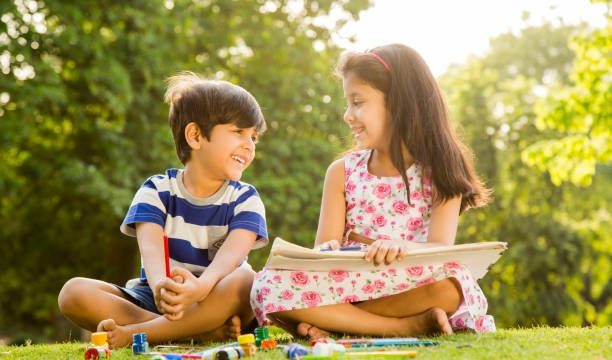
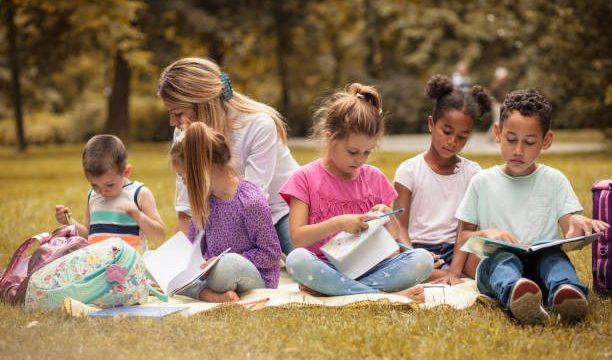
The role of play in communication development cannot be understated. Play is a natural and enjoyable way for children to explore language and social skills. Through games, storytelling, and imaginative scenarios, children can practice using words and expressions in a relaxed setting. This kind of playful interaction not only enhances their vocabulary but also strengthens their ability to convey thoughts and feelings. Encouraging play with peers can also foster social communication skills, helping children learn to take turns, share, and engage in dialogues.
Incorporating routines can also be beneficial for children with special needs. Routines provide structure, which can be comforting and predictable. This predictability can lead to increased confidence in communication. For instance, establishing a morning routine that includes a few minutes of sharing thoughts about the day can create a safe space for children to practice expressing themselves. Over time, they become more comfortable and willing to share their feelings and ideas.
Another important aspect to consider is the power of listening. Communication is a two-way street, and teaching children the value of listening can enhance their overall communication skills. Encouraging them to listen actively—by making eye contact, nodding, and responding appropriately—can foster a deeper understanding of social cues and emotional expressions. Creating opportunities for them to listen to stories, music, or even conversations can enrich their experiences and understanding of language.
Technology can also play a supportive role in communication development. There are numerous apps and tools designed specifically for children with special needs, which can facilitate communication in engaging ways. These tools can help children express themselves, build vocabulary, and even practice social interactions. However, it’s essential to use technology thoughtfully, ensuring it complements rather than replaces face-to-face interactions.
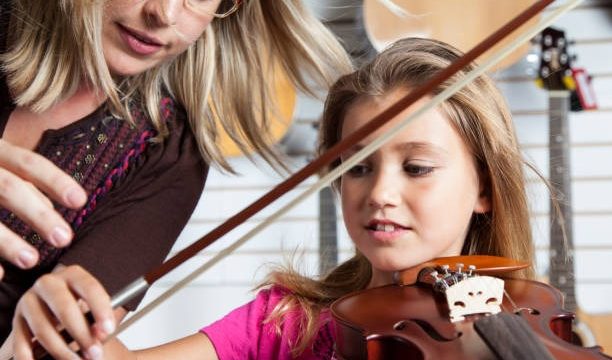
Collaboration with specialists can provide invaluable support in developing effective communication strategies. Speech therapists, for instance, can offer tailored guidance and techniques that cater to each child’s unique needs. They can equip parents and educators with tools to use at home and in the classroom, enhancing the child’s communication journey. Working together as a team ensures that everyone is on the same page, creating a cohesive approach that benefits the child.
As we explore the nuances of communication development in special needs education, it’s essential to acknowledge the emotional dimension of this journey. Communication is not just about words; it’s about connection and understanding. Encouraging children to express their feelings, fears, and joys can create a deeper bond between them and their caregivers. This emotional connection can serve as a foundation for more effective communication, as children feel more inclined to share their thoughts when they know they are in a supportive environment.
Celebrating small milestones in communication development is equally important. Each step forward, no matter how small, deserves recognition. This positive reinforcement can boost a child’s confidence and motivate them to continue striving for progress. Whether it’s a new word spoken, a successful interaction with a peer, or the use of a communication device, acknowledging these achievements creates a sense of accomplishment.
In the grand tapestry of education, supporting communication development in children with special needs is a vital thread. By fostering an environment of understanding, patience, and encouragement, we empower these children to express themselves and connect with the world around them. Each child’s journey is unique, and celebrating their individuality is what makes the experience enriching for everyone involved. In the end, communication is about building relationships, and every effort to promote it is a step toward a brighter, more connected future.