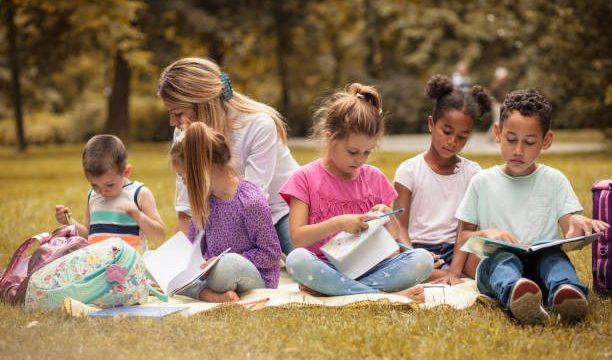
In the gentle world of childhood development, picture books hold a special place.
They are not just colorful pages filled with whimsical illustrations; they are gateways to a treasure trove of language skills.
As parents, caregivers, and educators, we often seek ways to nurture our little ones’ growth.
Picture books provide an enchanting method to foster strong language abilities while also creating lasting memories.
The magic begins with the visuals. From the moment a child opens a picture book, they are greeted with vibrant images that ignite their imagination. These illustrations serve as a bridge to language, allowing children to connect words with meanings in a tangible way. A child might see a cat lounging in the sun and hear the word “cat” for the first time. The image solidifies the concept, making it easier to recall and use later. This visual association is a powerful tool in developing vocabulary.
As children engage with picture books, they are also introduced to storytelling. Stories are fundamental to human experience, and they help children understand narrative structure. They learn about beginnings, middles, and ends, as well as character development and plot progression. This exposure to storytelling not only enriches their vocabulary but also enhances their comprehension skills. Understanding how stories are crafted enables children to articulate their thoughts and feelings more effectively, providing them with the confidence to express themselves.
Reading aloud is a cherished activity that can strengthen the bond between a caregiver and a child. The shared experience of exploring a picture book together encourages dialogue. Questions arise, comments are made, and laughter often follows. This interactive exchange is invaluable. When children hear their caregivers read with enthusiasm, they become more engaged and motivated. The rhythm and flow of language become familiar, and soon, they begin to mimic the tones and cadences they hear. This natural imitation fosters phonemic awareness, a crucial component of language development.
As the journey through picture books unfolds, children encounter a rich tapestry of language. Authors often employ playful language, from rhymes to alliteration, capturing the attention of young readers. These linguistic features not only entertain but also enhance phonological skills. When children are exposed to the sounds and rhythms of language, they develop an ear for the nuances of speech. This awareness lays the groundwork for reading fluency and comprehension down the line.
In addition to vocabulary and phonological skills, picture books introduce children to a variety of contexts and cultures. Through stories, they can travel to far-off lands, meet diverse characters, and experience different lifestyles. This exposure broadens their understanding of the world and fosters empathy. Language is not just about words; it is about communication and connection. By exploring different perspectives through literature, children learn to appreciate the richness of language in conveying emotions and experiences.
As children grow, so too does their ability to engage with books. Picture books can evolve with them, offering complex narratives and deeper themes. As they transition into more challenging stories, their language skills continue to develop. They begin to analyze characters’ motivations, explore themes of friendship or bravery, and understand the subtleties of language. This progression is essential for shaping critical thinking skills, which are vital in both academic and social settings.
A small shift toward balance can be achieved by incorporating a variety of picture books into a child’s routine. Choosing books with different themes, styles, and authors can create a diverse reading experience. This variety not only keeps children engaged but also introduces them to a wider array of vocabulary and sentence structures. It’s a wonderful opportunity to discuss different ideas and concepts, further enhancing language development.
Furthermore, the act of storytelling can extend beyond the pages of a book. Encouraging children to create their own stories fosters creativity and self-expression. They can draw inspiration from their favorite characters or invent entirely new worlds. This imaginative play allows them to practice language skills in a fun and engaging way. As they narrate their tales, they explore sentence construction and vocabulary, reinforcing what they’ve learned from picture books.
In today’s digital age, it’s easy to overlook the simple pleasure of reading a physical book. However, the tactile experience of turning pages, feeling the book in hand, and even the smell of the paper can enhance the reading experience. These sensory elements contribute to a child’s connection to the story, making it more memorable. By setting aside dedicated reading time, families can create a comforting routine that promotes language development and strengthens relationships.
While the benefits of picture books are clear, it’s important to remember that every child is unique. Some may thrive on the rhythm of poetry, while others may prefer straightforward narratives. The key is to remain attuned to a child’s interests and preferences. By offering a selection that resonates with them, caregivers can cultivate a love for reading that lasts a lifetime.
Ultimately, picture books are more than just tools for building language skills; they are vessels of imagination, connection, and joy. They provide a space where children can explore their thoughts and feelings while developing a rich vocabulary. As we share these stories with the young ones in our lives, we not only contribute to their language development but also create cherished moments that can be remembered for years to come.
So, whether it’s curling up on the couch with a beloved book or exploring new titles at the local library, let’s celebrate the timeless magic of picture books. They are a gentle reminder that within their colorful pages lies the power to shape a child’s language skills, imagination, and understanding of the world. In this simple act of reading, we can nurture not just language, but a lifelong love of learning.